




What's Happening?
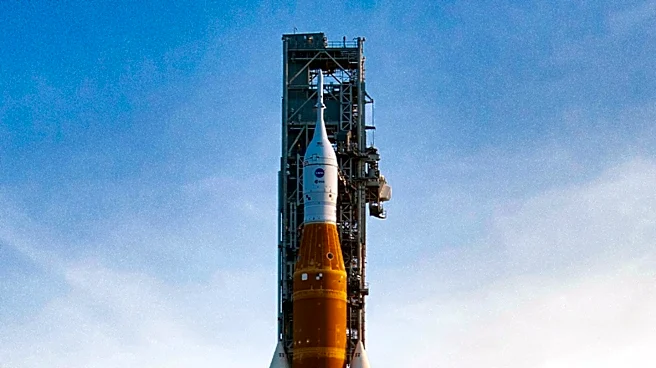
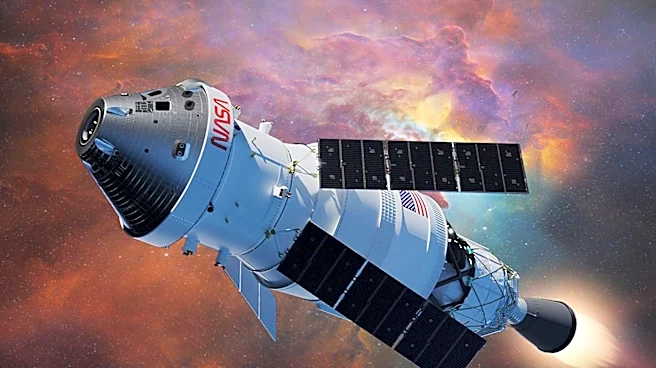
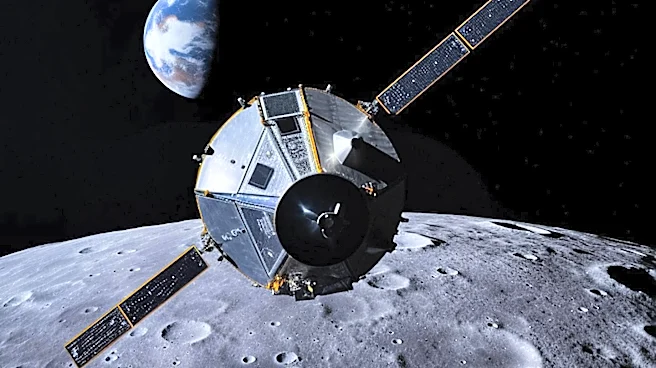
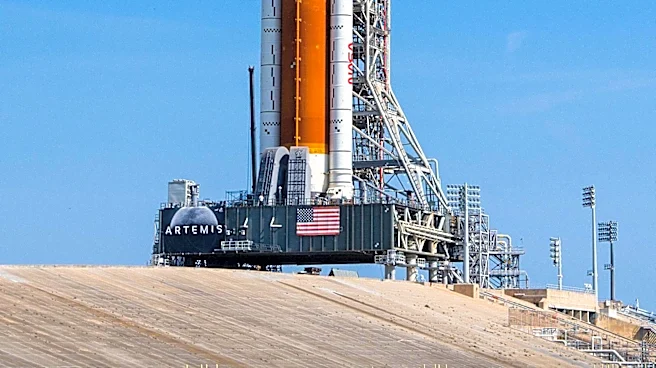
NASA's Artemis III mission, initially planned as the first crewed lunar landing under the Artemis program, has been restructured to focus on a complex dual docking operation in low Earth orbit. Scheduled for late 2027, the mission will involve four astronauts
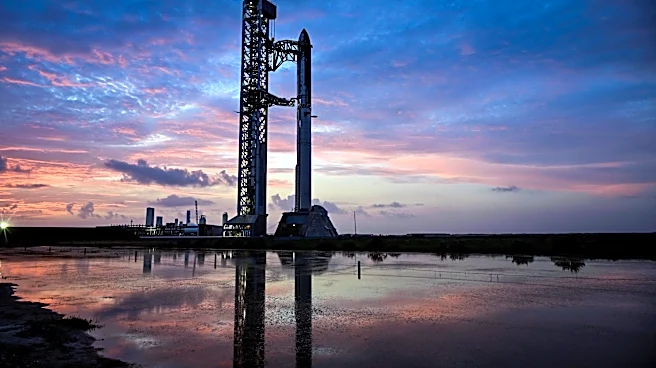
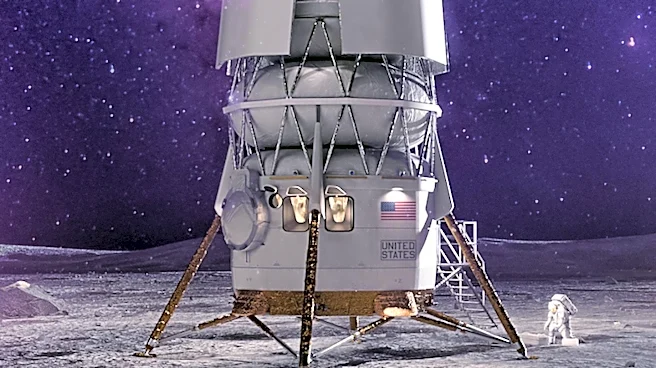
aboard an Orion capsule docking with test versions of SpaceX's Starship and Blue Origin's Blue Moon landers. This decision follows a February 2026 program announcement that shifted the mission's focus from a lunar landing to a systems integration flight. The change aims to mitigate risks associated with unproven docking procedures in lunar orbit. The first crewed Moon landing is now deferred to Artemis IV, targeted for no earlier than 2028. The mission will test the interoperability of different spacecraft systems and software control regimes, a technically unprecedented challenge in crewed spaceflight.
Why It's Important?
The restructuring of Artemis III underscores NASA's cautious approach to ensuring crew safety and mission success. By conducting the dual docking operation in low Earth orbit, NASA can address potential software and hardware integration issues in a safer environment, where rescue options are available. This approach reduces the risk of catastrophic failure in lunar orbit, where rescue is not feasible. The mission's success is crucial for the future of the Artemis program, as it will validate the docking procedures and software interoperability needed for subsequent lunar missions. The outcome will influence the timeline and feasibility of future crewed lunar landings, impacting NASA's long-term goals for lunar exploration and potential Mars missions.
What's Next?
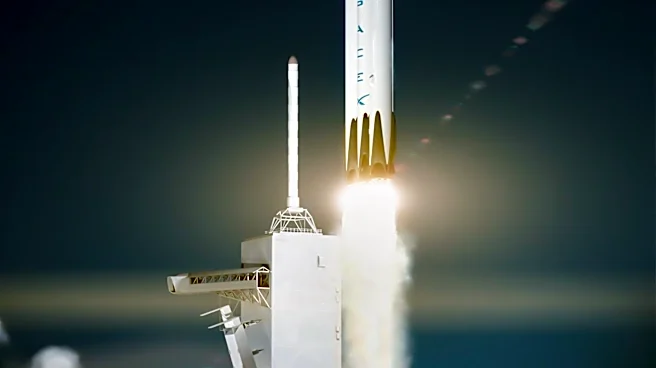
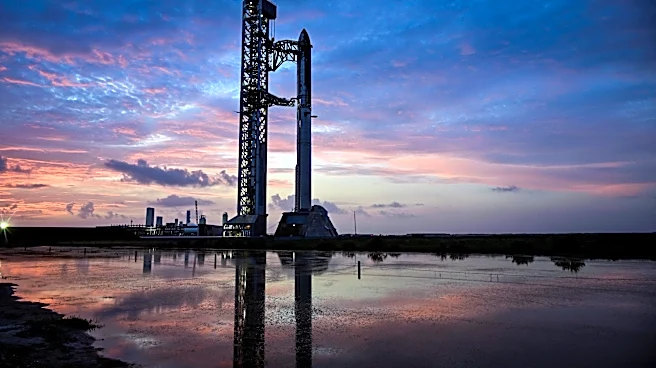
Following the Artemis III mission, NASA plans to proceed with Artemis IV, which aims to achieve the first crewed lunar landing under the program. This mission will depend on the successful demonstration of docking procedures and software interoperability during Artemis III. Additionally, SpaceX's Starship must complete at least 15 successful refueling launches to support the Artemis IV mission. Blue Origin's New Glenn rocket, which suffered a launchpad explosion in May 2026, must also return to flight readiness to meet the Artemis III schedule. The outcomes of these developments will determine the timeline for future Artemis missions and the broader goals of NASA's lunar exploration strategy.
Beyond the Headlines
The Artemis III mission highlights the increasing reliance on commercial partnerships in NASA's space exploration efforts. The collaboration with SpaceX and Blue Origin represents a shift towards leveraging private sector capabilities to achieve national space exploration objectives. This approach could set a precedent for future missions, fostering innovation and competition in the aerospace industry. Additionally, the mission's focus on software interoperability and docking procedures reflects the growing complexity of modern space missions, which require seamless integration of diverse technologies and systems. The success of Artemis III could pave the way for more ambitious missions, including potential crewed missions to Mars.