




What's Happening?
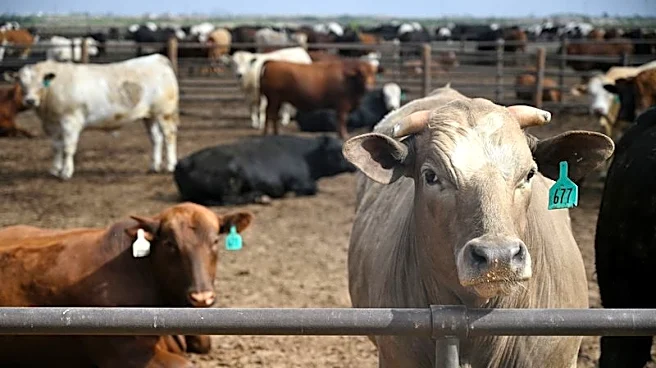
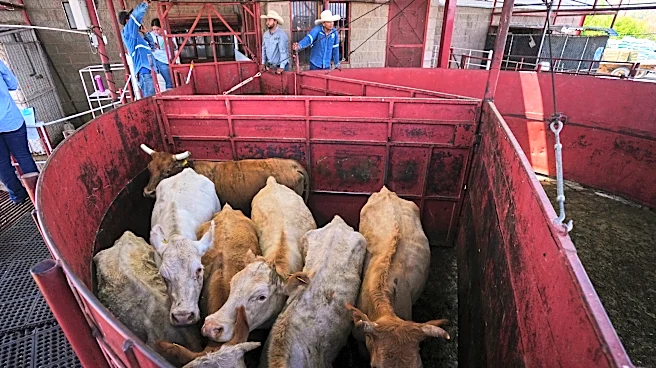
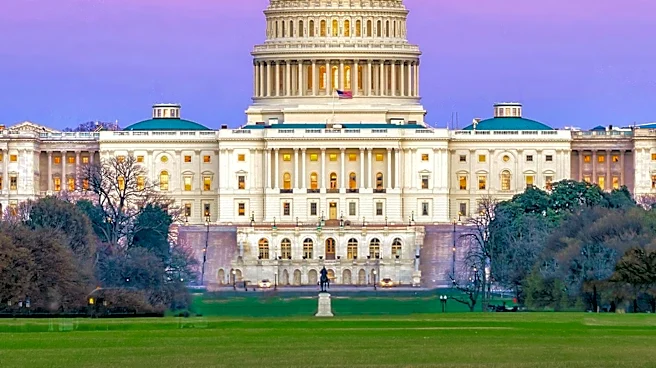
U.S. Senator Deb Fischer (R-Nebraska) has voiced strong criticism regarding President Trump's decision to temporarily increase beef imports, particularly from Mexico. This move allows an additional 300,000 metric tons of beef to enter the U.S. under a reduced
tariff rate for three months, coinciding with the midterm elections. Senator Fischer stated that while lower grocery prices are desirable, they should not come at the expense of American producers. She emphasized that flooding the market with foreign beef harms the domestic livestock industry and undermines efforts to grow the U.S. cattle herd to meet demand. Other Republican senators, including Tim Sheehy (R-Montana) and Pete Ricketts (R-Nebraska), along with the U.S. Cattlemen’s Association, have echoed these concerns, highlighting potential negative impacts on ranching families and market stability. The imports from Mexico are notable as there have been previous import limits due to a flesh-eating pest affecting cattle in that region.
Why It's Important?
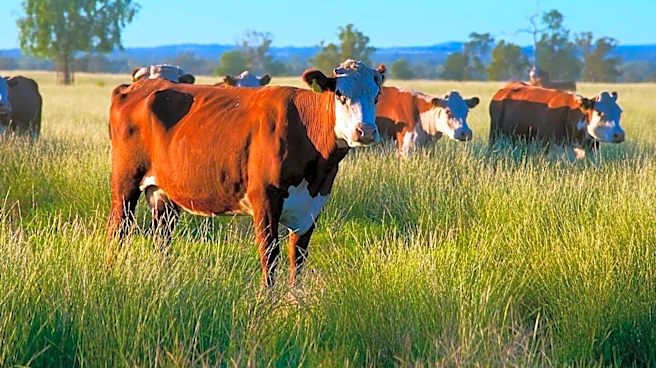
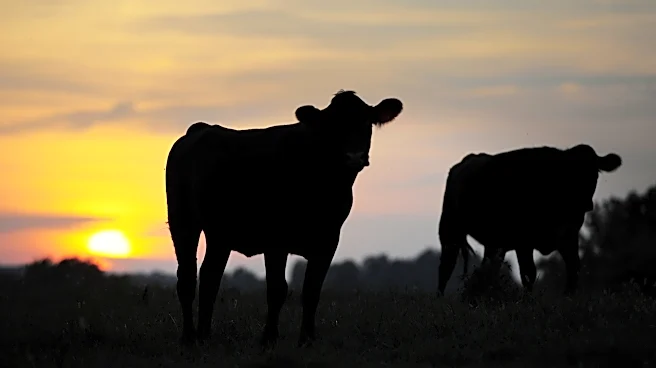
President Trump's decision to ease beef import restrictions carries significant implications for the U.S. agricultural sector and consumer markets. For American cattle producers, this policy is seen as a direct threat to their livelihoods, potentially driving down domestic beef prices and making it harder for them to compete. The U.S. cattle inventory is already at its lowest point since 1951, and industry groups argue that increased imports will hinder the rebuilding of these herds. While the administration aims to lower grocery prices for consumers, critics contend that this short-term solution sacrifices the long-term stability and growth of the domestic beef industry. The move also raises questions about food safety, given past issues with cattle in Mexico. This policy creates a divide within the Republican party, with rural-state senators and agricultural organizations expressing disappointment, underscoring the tension between consumer price concerns and the protection of domestic industries.
What's Next?
The temporary nature of the increased beef imports, set to last for three months and conclude around the midterm elections, suggests that the policy's immediate impact will be closely monitored. Stakeholders, including cattle producers and their representatives in Congress, are likely to continue advocating for policies that support the domestic livestock industry. The debate over balancing consumer prices with producer interests is expected to persist, potentially influencing future agricultural policy discussions and trade negotiations. The administration may face ongoing pressure to address the concerns of American ranchers and consider alternative strategies for managing food prices that do not undermine domestic production. The outcome of the midterm elections could also play a role in shaping the long-term direction of U.S. trade and agricultural policies.
Beyond the Headlines
This situation highlights a broader economic and political tension between immediate consumer benefits and the long-term health of domestic industries. The administration's focus on lowering grocery prices, a politically sensitive issue, demonstrates the pressure faced by policymakers to address cost-of-living concerns. However, the backlash from agricultural communities underscores the complex interdependencies within the economy. Policies that appear to offer quick relief to consumers can have unintended consequences for specific sectors, leading to calls for protectionism and support for local producers. This scenario also touches upon the ongoing debate about the role of government intervention in markets, particularly regarding tariffs and import quotas, and how such interventions can create winners and losers among different economic groups. The criticism from within President Trump's own base suggests a potential fracturing of support when economic policies directly impact key constituencies.