





What's Happening?
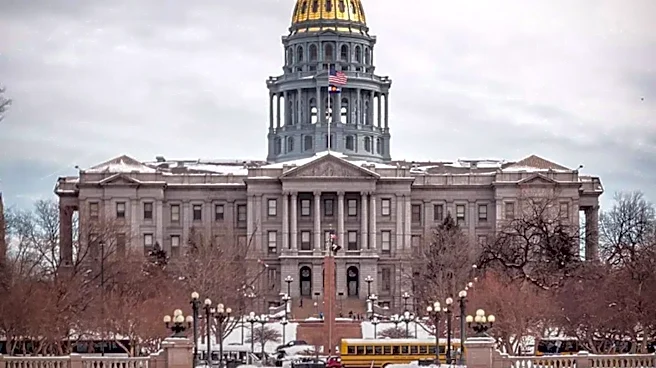
Colorado Governor Jared Polis has signed new legislation that restricts how jails in the state can conduct strip searches and when staff can access recordings of these searches. This bill was drafted following revelations that La Plata County Jail's commander,
Edward Aber, improperly viewed over 3,000 strip-search videos of 117 incarcerated women over five years. Suzanne Garcia, one of the women whose video was viewed, worked with advocates and other alleged victims to push for this legislative change. The new law requires jail staff to obtain written approval and log the reason for accessing strip-search videos, and it mandates that incarcerated individuals be informed if they are being recorded. It also sets clearer parameters for when strip searches can occur, primarily during intake, if there's a reasonable belief of contraband, or in scenarios with a history of contraband.
Why It's Important?
This legislation is a significant step towards protecting the privacy and dignity of incarcerated individuals in Colorado. The previous lack of regulation led to severe abuses, as evidenced by the actions of Edward Aber. The new law addresses a critical gap in oversight, aiming to prevent similar incidents by establishing strict protocols for strip searches and video access. Advocates for sexual violence prevention hope this law will serve as a model for other states, prompting a nationwide reevaluation of the pervasive use of strip searches in the criminal legal system. It highlights the importance of legislative action in response to systemic issues within correctional facilities and underscores the power of survivor advocacy in driving policy change.
What's Next?
The immediate next step involves the implementation of this new law across Colorado jails. This will require correctional facilities to update their policies and procedures regarding strip searches and the handling of recorded footage. The Colorado Coalition Against Sexual Assault plans to monitor the law's implementation and review data collected by jails to inform potential future legislation for state prisons, as the current law is limited to jails due to budget constraints and federal oversight. Nationally, advocates hope this Colorado law will inspire similar legislative efforts in other states, leading to a broader reform of strip search practices and increased protections for incarcerated individuals across the U.S. The criminal trial for Edward Aber, initially scheduled for August 10, has been pushed to November.
Beyond the Headlines
Beyond its immediate impact on jail procedures, this law touches upon deeper ethical and human rights considerations within the criminal justice system. The incident in La Plata County exposed a profound breach of trust and privacy, highlighting how vulnerable incarcerated individuals are to abuse of power. The new regulations aim to restore a measure of dignity and accountability, recognizing that strip searches, while sometimes deemed necessary for security, can be deeply humiliating and traumatizing. The push for this law also underscores the ongoing debate about the effectiveness of strip searches versus alternative methods, such as body scanners, in detecting contraband. This legislative change could catalyze a broader conversation about the balance between security measures and the fundamental rights of individuals within correctional facilities, potentially influencing national standards and practices.