
What's Happening?
The European Investment Bank (EIB) has been a significant long-term partner in developing Montenegro's water and wastewater infrastructure, providing €116 million since 2006. This funding includes a €57
million loan and €59 million in EU grants under the Western Balkans Investment Framework, alongside technical assistance for project implementation and preparation. These investments are crucial for a key sector of Montenegro's economy: tourism. The Montenegro Water and Sanitation Programme supports work in ten municipalities, including Andrijevica, Bijelo Polje, Cetinje, Kolašin, Mojkovac, Nikšić, Pljevlja, Podgorica, Rožaje, and Ulcinj. These projects aim to improve water supply and sanitation services for approximately 200,000 people through investments in wastewater treatment plants, sewerage networks, and water supply systems. An example is the €13 million Nikšić sewer project, which involves a wastewater treatment plant and a 40 km sewer network designed to connect 10,000 residents to the municipal system. EIB Senior Water Engineer Łukasz Wyra highlights the challenges of limited institutional capacity and lengthy procedures for construction permits and land acquisition in Montenegro, emphasizing the importance of continued investments and efficient operation and maintenance.
Why It's Important?
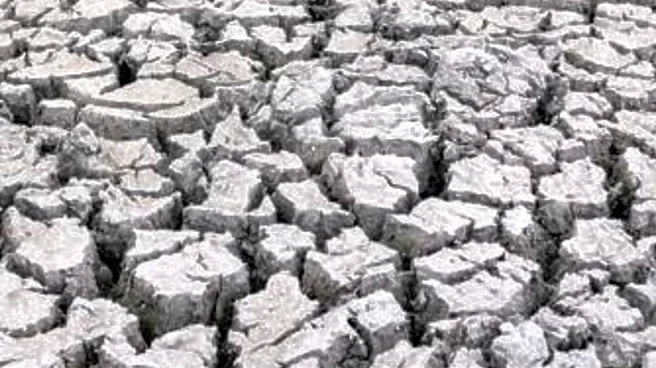
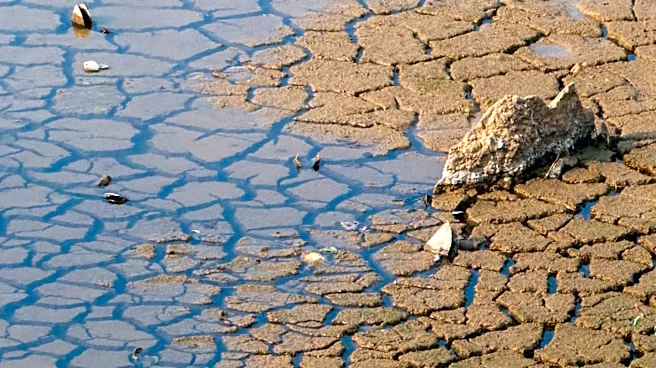
This EIB investment is vital for Montenegro's economic stability and environmental resilience, particularly given the country's reliance on tourism. By enhancing water and sanitation infrastructure, the projects directly support the tourism sector, which is a major economic driver. Improved infrastructure ensures reliable and sustainable services, which are essential for attracting and retaining tourists. Furthermore, these initiatives play a critical role in combating climate change. Montenegro faces significant climate-related challenges, including water scarcity and more frequent droughts due to changing precipitation patterns. Addressing network leakages, which are currently very high in some systems, is identified as one of the most effective measures for both climate adaptation and resource efficiency. Reducing water losses conserves water, improves the sustainability of utilities, and increases resilience to future climate pressures. The investment also helps Montenegro align with EU requirements and prepare for future needs, including the ongoing establishment of the Natura 2000 network, which brings new considerations for environmental assessments and project development.
What's Next?
The full potential of these projects hinges on continued investments in network expansion, system modernization, operation, and maintenance to ensure long-term reliable, efficient, and sustainable services for communities. EIB Advisory programs, such as JASPERS, will continue to provide technical assistance, focusing on workshops and training for local professionals to strengthen their capabilities and adopt international best practices. As Montenegro progresses towards EU membership, infrastructure projects are expected to become larger and more complex, necessitating the development of strong national expertise. Future efforts will involve working closely with beneficiaries and national authorities to identify challenges early and develop solutions that comply with EU requirements and future needs, including integrating climate considerations into water projects. This will involve reviewing the economic and financial viability of projects, including cost-benefit analyses, and addressing issues like water scarcity and drought through measures such as reducing water losses.
Beyond the Headlines
The EIB's involvement in Montenegro extends beyond immediate infrastructure improvements, touching upon broader themes of governance, capacity building, and regional integration. The emphasis on strengthening institutional capacity and adopting international best practices underscores a commitment to sustainable development and good governance. This approach is particularly significant for a country like Montenegro, which is on a path toward EU membership, as it helps align national standards with European norms. The focus on climate resilience, especially in water management, highlights the interconnectedness of infrastructure development with environmental sustainability and public health. By addressing water scarcity and improving sanitation, the projects contribute to the overall well-being of the population and the long-term ecological health of the region. This strategic investment also serves as a model for how international financial institutions can support developing economies in achieving both economic growth and environmental protection, fostering a more resilient and prosperous future.