







What's Happening?
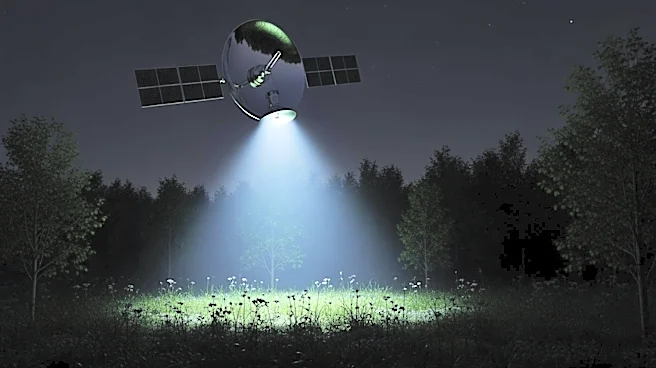
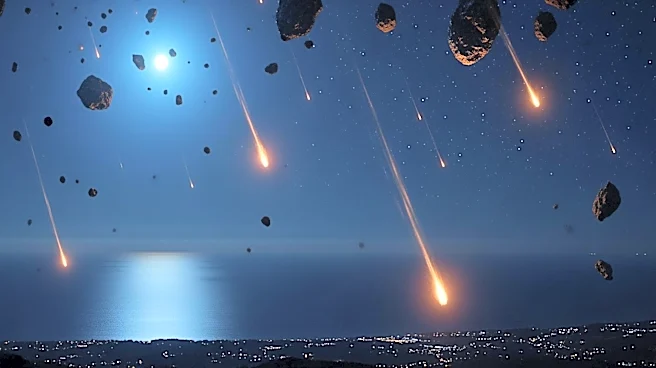
Residents in Lampung, Indonesia, were alarmed by a bright bluish light streaking across the sky, identified as space debris re-entering Earth's atmosphere. Space debris, consisting of inactive satellites and rocket remnants, often burns up upon re-entry
due to atmospheric friction. However, larger objects or those made of heat-resistant materials may survive and fall to Earth. The phenomenon is part of a growing issue as human activity in space increases, with more satellite launches and anti-satellite weapon tests contributing to the debris.
Why It's Important?
The increasing amount of space debris poses risks to both space operations and terrestrial safety. As more satellites are launched, particularly for internet constellations like SpaceX's Starlink, the density of debris in orbit grows, raising the potential for collisions and further fragmentation. This not only threatens active satellites but also increases the likelihood of debris surviving re-entry and impacting populated areas. The situation underscores the need for improved space traffic management and debris mitigation strategies to ensure the safety of both space assets and people on Earth.
What's Next?
Efforts to address space debris include international cooperation on debris tracking and mitigation technologies. Agencies like NASA and ESA are working on solutions to reduce debris, such as developing guidelines for satellite end-of-life disposal and exploring active debris removal methods. The issue may prompt further regulatory measures to manage satellite launches and enforce debris mitigation practices. As space activity continues to grow, the importance of sustainable practices in orbit becomes increasingly critical.
Beyond the Headlines
The space debris problem raises ethical questions about the responsibility of space-faring nations to manage their orbital activities. The potential for debris to cause harm on Earth highlights the need for global collaboration in space governance. The situation also reflects broader challenges in balancing technological advancement with environmental stewardship, as the impacts of space debris extend beyond national borders.