







What's Happening?
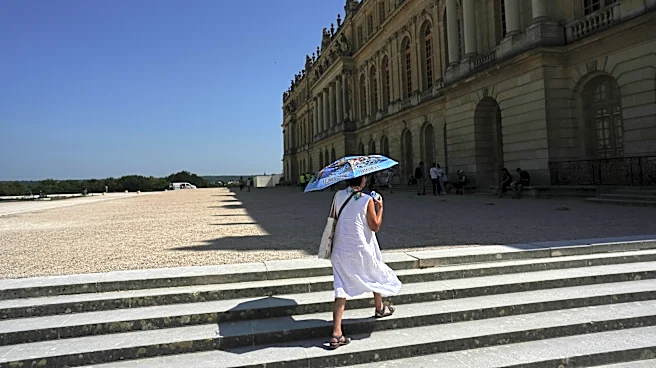
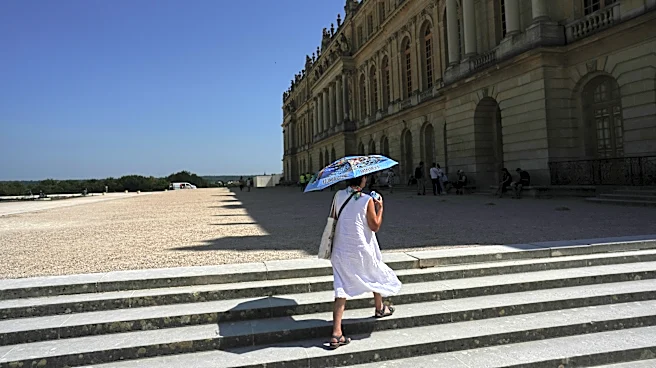
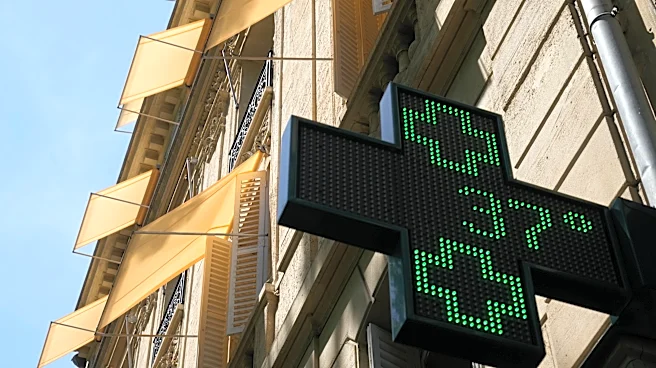
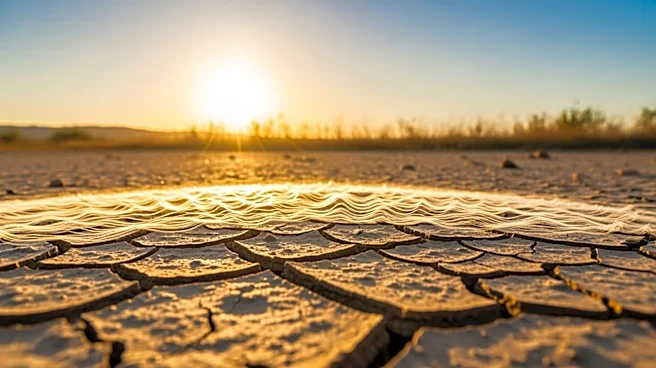
France is experiencing an intense heatwave, with temperatures reaching up to 40°C (104°F) in some areas. This has led to the cancellation of trains, concerts, and sports events, as well as a crackdown on public alcohol consumption. The French government
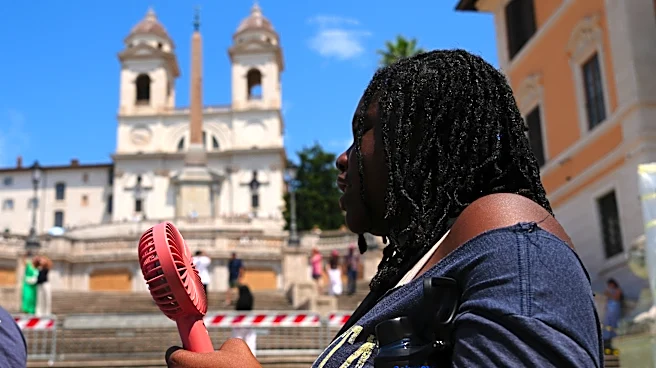
has issued a 'red alert' for heat in about a third of the country, and misting stations have been set up at popular tourist sites like the Eiffel Tower to help cool down crowds. The heatwave is part of a broader pattern affecting Europe, with similar conditions reported in Spain, Italy, and Germany. The World Health Organization has noted that over 200,000 people in Europe have died from heat-related causes in the past four years, highlighting the severity of the situation.
Why It's Important?
The heatwave underscores the growing impact of climate change, which is linked to more frequent and severe weather events. In France, the heat poses significant risks to vulnerable populations, including the elderly and those without access to air conditioning. The government has mobilized emergency services and military forces to prepare for potential wildfires and has ordered the closure of 845 schools. The situation also raises concerns about the strain on public health systems and the need for long-term adaptation strategies, such as increased use of air conditioning, to cope with future heatwaves.
What's Next?
French Prime Minister Sébastien Lecornu is convening a government meeting to address the heat crisis and plan for future adaptations. The heatwave is expected to continue, with temperatures potentially rising further. Authorities are likely to maintain or increase current safety measures, and there may be further disruptions to public events and services. The situation also calls for increased public awareness and preparedness to mitigate the health risks associated with extreme heat.
Beyond the Headlines
The heatwave highlights the ethical and social challenges of climate change, particularly the need to protect vulnerable populations. It also raises questions about urban planning and infrastructure, as cities may need to invest in cooling technologies and green spaces to reduce heat exposure. Additionally, the economic impact on sectors like agriculture and tourism could be significant, prompting discussions about resilience and sustainability in these industries.