






What's Happening?
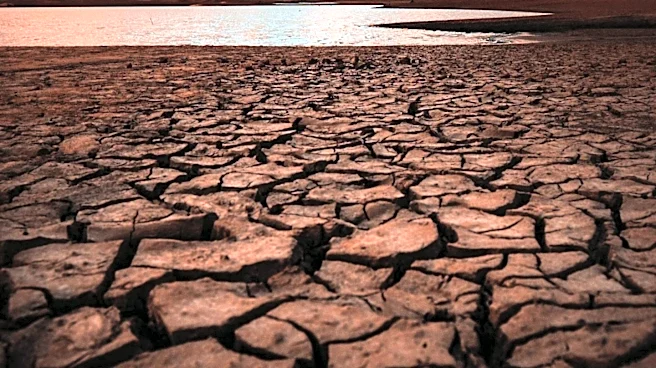
Bangladesh is experiencing significant disruptions in agriculture and public health due to erratic weather patterns attributed to climate change. The Bangladesh Meteorological Department reported a 29.4% deficit in June rainfall, marking the fourth consecutive
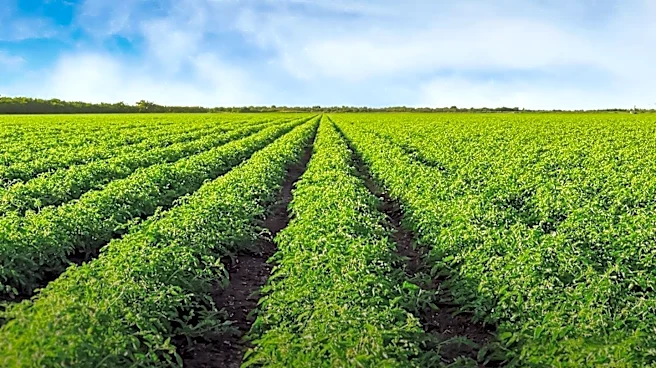
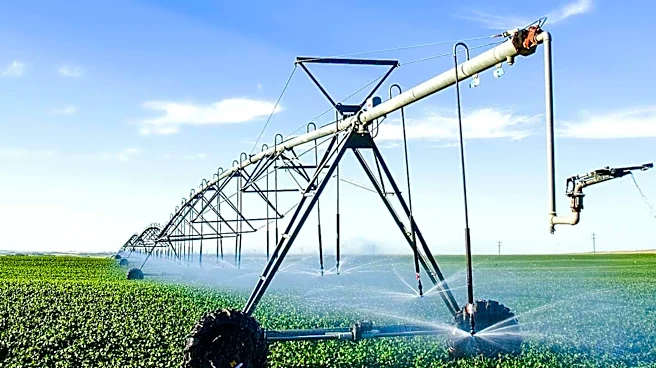
year of below-average precipitation. This has forced farmers to rely heavily on irrigation for the Aman rice crop, increasing costs significantly. The erratic weather has also affected the production of summer vegetables and fruits. Additionally, public health is at risk as prolonged heat waves and heavy rainfall create conditions conducive to heat-related illnesses and mosquito-borne diseases like dengue. Experts warn that these climate-induced challenges are becoming increasingly severe, impacting both food security and public health.
Why It's Important?
The situation in Bangladesh highlights the broader implications of climate change on global agriculture and health systems. As weather patterns become more unpredictable, the economic burden on farmers increases, potentially leading to higher food prices and food insecurity. The health sector faces rising challenges as climate-sensitive diseases become more prevalent, straining public health resources. These developments underscore the urgent need for climate adaptation strategies to mitigate the impacts on vulnerable populations. The economic and health challenges faced by Bangladesh could serve as a warning for other nations, emphasizing the importance of integrating climate considerations into policy planning.
What's Next?
Future agricultural policies in Bangladesh may need to incorporate climate change considerations to ensure long-term food security. This could involve investing in more resilient crop varieties and improving irrigation infrastructure. On the public health front, there may be a need for enhanced disease surveillance and healthcare infrastructure to manage the increasing burden of climate-sensitive diseases. International cooperation and support could play a crucial role in helping Bangladesh and similar countries adapt to these challenges. Monitoring and research into climate impacts will be essential to inform policy decisions and adaptation strategies.
Beyond the Headlines
The situation in Bangladesh reflects a growing global trend where climate change exacerbates existing vulnerabilities in developing countries. The ethical dimension of climate justice becomes prominent, as those least responsible for climate change often suffer the most. This raises questions about the responsibility of developed nations to support adaptation efforts in more vulnerable regions. Additionally, the cultural and social impacts of climate-induced displacement and health challenges could lead to long-term shifts in community structures and livelihoods.