







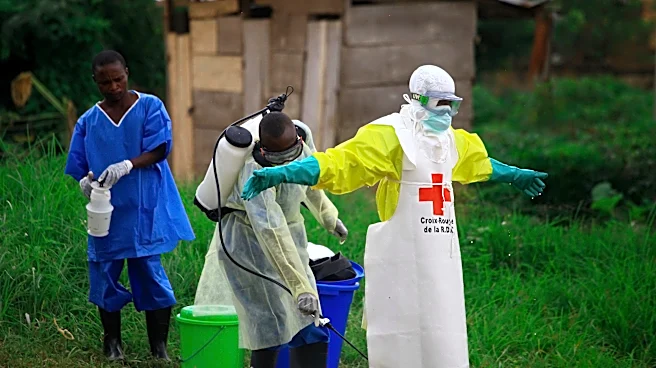
What's Happening?
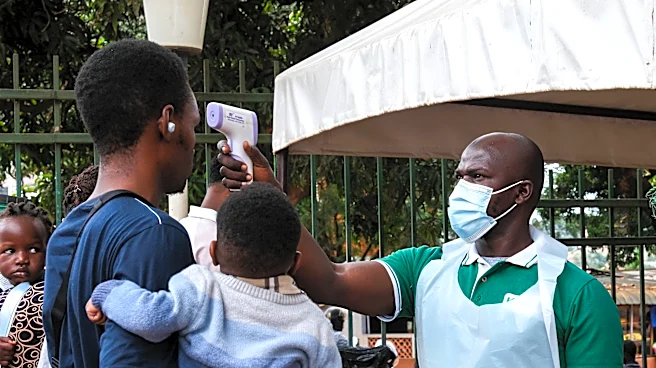
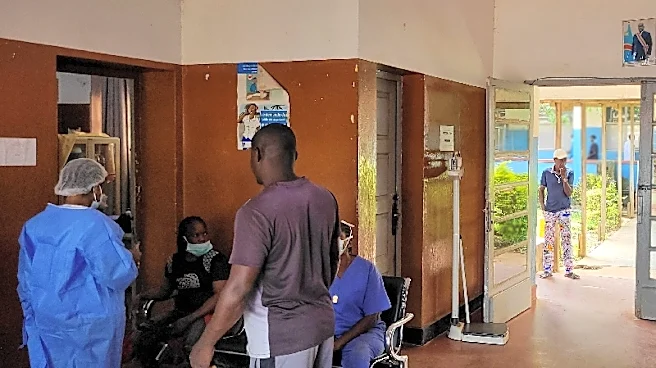
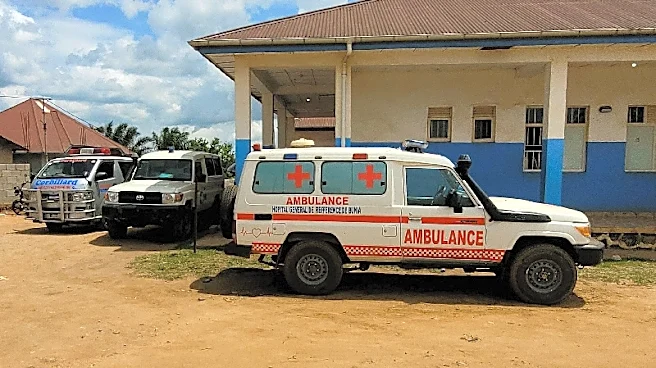
A recent outbreak of the Ebola virus in the Democratic Republic of the Congo (DRC) and Uganda has been declared a public health emergency of international concern by the World Health Organization (WHO). The outbreak involves the Bundibugyo strain of Ebola,
which has a mortality rate of 20 to 50 percent. As of May 17, 2026, there are 336 suspected cases and 88 deaths reported. The outbreak has underscored the urgent need for new vaccines, particularly as the WHO faces significant funding cuts following the U.S. withdrawal of financial support in early 2025. This has led to reduced staffing and resources, impacting the organization's ability to respond effectively to such health crises.
Why It's Important?
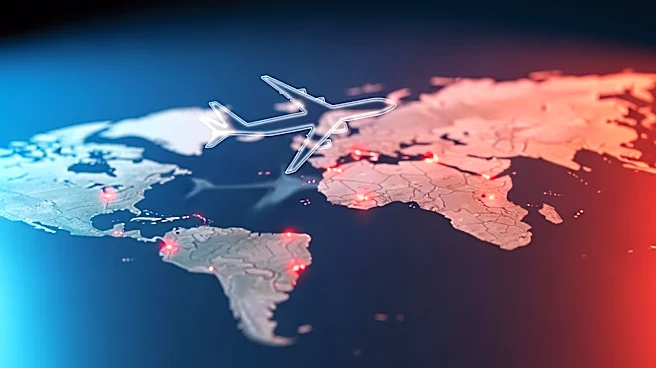
The outbreak highlights the critical need for accelerated vaccine development for Ebola and other lethal viruses. The lack of vaccines for the Bundibugyo strain, despite its known existence for nearly two decades, points to a significant gap in global health preparedness. The situation is exacerbated by the WHO's reduced capacity due to funding cuts, which could hinder efforts to contain the virus and prevent its spread. The outbreak also raises concerns about the potential for isolated cases to appear in wealthier nations through international travel, emphasizing the importance of robust quarantine measures and travel history checks in emergency departments worldwide.
What's Next?
In response to the outbreak, there is a push to expedite the development of multivalent vaccines that target multiple filoviruses, including the Bundibugyo strain. Researchers are advocating for faster vaccine trial phases and increased funding to address the current crisis. The University of Oxford, in collaboration with partners like Moderna, is working on vaccine candidates for various filoviruses. The outbreak serves as a call to action for the global health community to prioritize vaccine development for diseases that predominantly affect low-income countries, ensuring preparedness for future outbreaks.
Beyond the Headlines
The outbreak reveals deeper issues in global health equity and the economics of drug development. Diseases like Ebola, which primarily impact low-income regions, often receive less attention and funding compared to those affecting high-income countries. This disparity highlights the need for a more equitable approach to global health research and resource allocation. Additionally, the outbreak underscores the importance of maintaining robust international health organizations like the WHO, which play a crucial role in coordinating responses to global health emergencies.