




What's Happening?
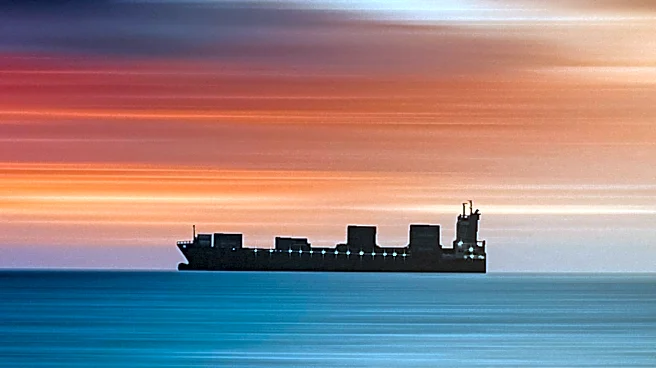
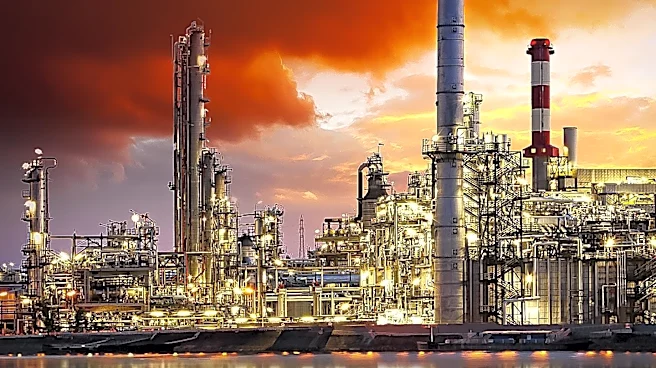
The global oil market is facing significant disruptions due to ongoing geopolitical conflicts and infrastructure challenges. The US-Iran conflict has reignited, leading to threats against shipping routes such as the Strait of Hormuz. Additionally, attacks
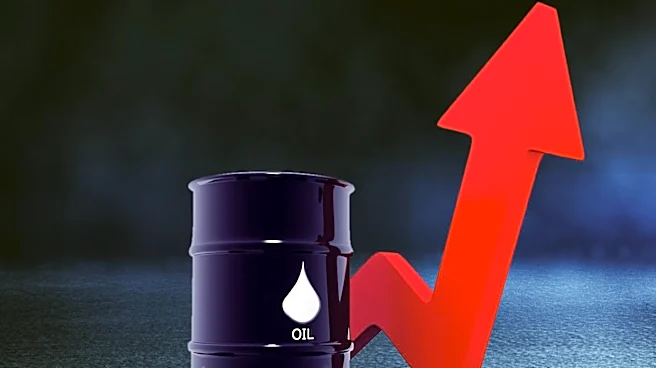
by the Houthi militia have threatened shipping through the Red Sea. Russia's refineries are also under pressure due to military actions by Ukraine. These disruptions have caused oil prices to rebound, with Brent futures crossing $100 per barrel. The market is already strained from previous supply disruptions, and the current situation is exacerbating the challenges.
Why It's Important?
The rising oil prices have broad implications for the global economy, affecting everything from transportation costs to consumer prices. Higher oil prices can lead to increased costs for businesses and consumers, potentially slowing economic growth. The disruptions in key shipping routes and refineries also highlight the vulnerability of the global oil supply chain, which could lead to further price volatility. Countries dependent on oil imports may face economic challenges, while oil-producing nations could see increased revenues.
What's Next?
The situation remains fluid, with potential for further escalation in geopolitical tensions. The global oil market will be closely watching developments in the US-Iran conflict and the actions of the Houthi militia. Any resolution or escalation could significantly impact oil prices. Additionally, countries and companies may need to explore alternative supply routes and sources to mitigate the impact of these disruptions.