





What's Happening?
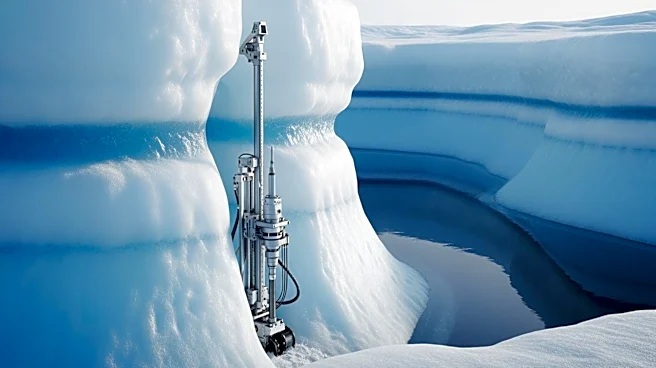
China's 42nd Antarctic expedition team has successfully drilled through 3,413 meters of Antarctic ice, setting a new global record for hot-water ice drilling. This achievement surpasses the previous record by nearly 900 meters. The drilling operation,
conducted in early February, reached the Qilin Subglacial Lake, a body of water sealed from the surface for millions of years. The Ministry of Natural Resources of China announced this milestone, highlighting the capability to drill into over 90% of the Antarctic ice sheet. The method used involved a jet of near-boiling water to melt the ice, creating a clean and contamination-free borehole. This technique is preferred over mechanical drilling due to its minimal environmental impact, crucial for accessing pristine subglacial environments.
Why It's Important?
This development is significant as it enhances China's ability to conduct scientific research in one of the most isolated and pristine environments on Earth. The successful drilling into Qilin Subglacial Lake opens new opportunities for studying ancient microbial life and climate conditions preserved in the lake's waters and sediments. Such research can provide insights into Earth's past climate and inform predictions about future climate change. Additionally, these subglacial lakes serve as analogs for extraterrestrial environments, offering clues about potential life on icy moons like Europa. China's achievement also marks its entry into a select group of nations with advanced polar research capabilities, potentially influencing geopolitical dynamics in Antarctica.
What's Next?
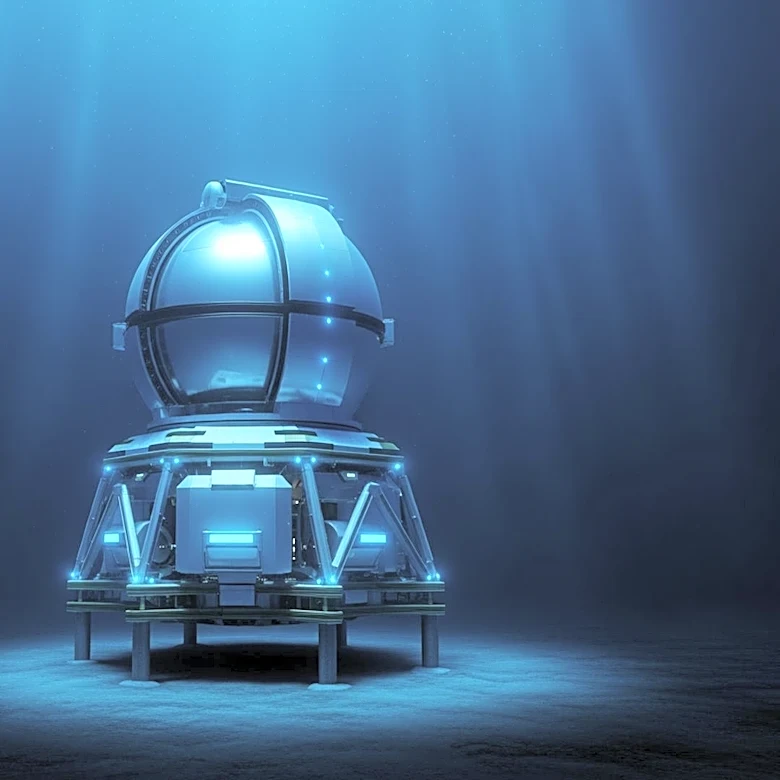
Following the successful drilling, the next phase will likely involve deploying instruments through the borehole to collect water and sediment samples from Qilin Subglacial Lake. These samples will be crucial for understanding the lake's unique ecosystem and its historical climate record. The operation also sets the stage for future missions to explore other subglacial lakes in Antarctica. As China continues to expand its research infrastructure in the region, including the new Zhongshan-Taishan Ice Cap Atmospheric and Ocean Observation Station, it is poised to play a significant role in polar research and environmental monitoring.
Beyond the Headlines
The use of hot-water drilling reflects a commitment to environmentally responsible exploration, minimizing the risk of contaminating these ancient ecosystems. This approach aligns with global scientific standards for subglacial research, emphasizing the importance of preserving these natural laboratories. The success of this mission may encourage further international collaboration in Antarctic research, as understanding these isolated environments is crucial for global climate science. Additionally, the technological advancements demonstrated by China's expedition could have broader applications in other extreme environments, both on Earth and in space exploration.