






What's Happening?
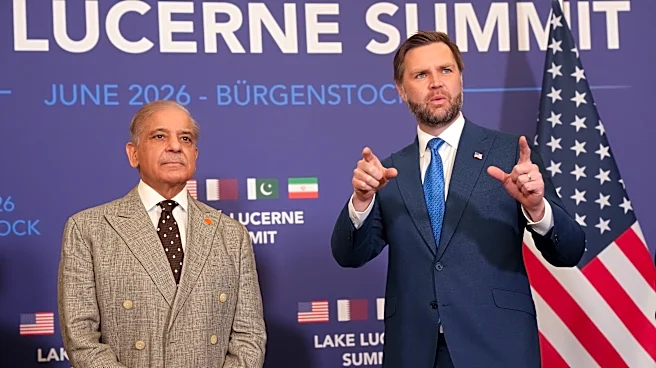
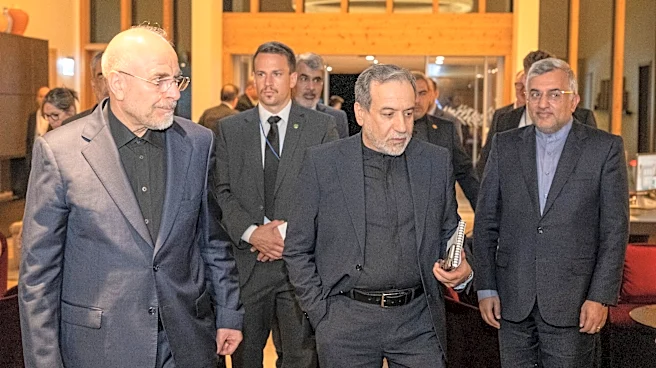
The U.S. and Iran have commenced face-to-face negotiations over Iran's nuclear program, marking the first such talks since President Trump agreed to a truce. The discussions, led by Vice President Vance, aim to transform U.S.-Iran relations and address
regional instability. The talks come amid criticism of the Trump administration's handling of the situation, with some Republicans expressing concerns over concessions made to Iran. The administration faces pressure to ensure Iran does not develop nuclear weapons, while also managing tensions with Israel over its actions in Lebanon.
Why It's Important?
These negotiations are crucial as they represent a potential turning point in U.S.-Iran relations and could significantly impact regional stability in the Middle East. The outcome of these talks could influence global oil markets, given Iran's control over the Strait of Hormuz, a critical chokepoint for oil transportation. Successful negotiations could lead to a reduction in regional tensions and a stabilization of oil prices, benefiting the global economy. However, failure to reach an agreement could escalate military tensions and disrupt global energy supplies.
What's Next?
The U.S. and Iran have a 60-day window to reach an agreement on Iran's nuclear program. The outcome of these talks will be closely monitored by international stakeholders, including Israel and Sunni Arab nations, who have vested interests in the region's stability. The U.S. administration will need to balance diplomatic efforts with maintaining a credible military deterrent to ensure compliance from Iran. Additionally, the talks could influence U.S. domestic politics, as public opinion on the administration's handling of the situation remains divided.