







What's Happening?
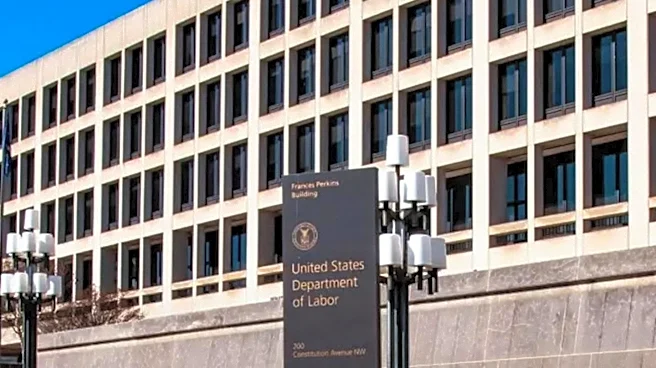
The Employee Benefits Security Administration (EBSA), a division of the U.S. Department of Labor (DOL), has issued a field assistance bulletin and compliance guide to reinforce the enforcement of federal mental health and substance use parity rules. Despite
not implementing non-quantitative treatment limit (NQTL) parity standards from the Biden administration, EBSA considers these parity rules a 'national enforcement priority.' The Mental Health Parity and Addiction Equity Act (MHPAEA) does not mandate that employer-sponsored health plans cover mental healthcare or substance use treatment. However, if such coverage is offered, MHPAEA requires it to be comparable to coverage for other medical problems. Similarly, regulations under the Affordable Care Act (ACA) mandate that individual, family, and small-group insurance policies provide mental health and substance use coverage comparable to other types of care. EBSA intends to enforce these rules, providing advance notice to parties and aiming to avoid increased compliance costs or discouraging the provision of such coverage.
Why It's Important?
This renewed emphasis by the DOL on mental health parity is crucial for ensuring equitable access to behavioral healthcare for millions of Americans. By categorizing these rules as a 'national enforcement priority,' EBSA signals a commitment to preventing discrimination against individuals seeking mental health and substance use disorder treatment. The guidance highlights specific areas of concern, such as comparing coverage for behavioral health conditions like eating disorders and autism to medical conditions like diabetes. This could lead to significant changes in how health plans are structured and administered, potentially increasing the scope and quality of mental health services available. Employers and health plans that fail to comply could face enforcement actions, while employees stand to benefit from more comprehensive and accessible mental health and substance use disorder benefits, reducing out-of-pocket costs and improving overall well-being.
What's Next?
EBSA plans to enforce parity rules in practice, but only after providing advance notice to relevant parties. The agency will continue to scrutinize health plans for potential violations, particularly regarding network adequacy for behavioral healthcare providers. This means plans will need to ensure that access to in-network mental health and substance use disorder treatment providers is comparable to medical and surgical care, preventing participants from incurring higher out-of-pocket costs for out-of-network care or forgoing treatment entirely. Employers and health plan administrators should review their current offerings and practices to ensure compliance with the updated guidance. This could involve reassessing reimbursement rates, network participation criteria for mental healthcare providers, and the scope of covered services to align with parity requirements.
Beyond the Headlines
The DOL's focus on mental health parity reflects a broader societal shift towards recognizing and addressing mental health as a critical component of overall well-being. This enforcement push could lead to a more integrated healthcare system where mental and physical health are treated with equal importance. The challenges in defining and enforcing non-quantitative treatment limits (NQTLs) highlight the complexity of ensuring true parity beyond just financial aspects. This initiative could also spur innovation in mental health service delivery, encouraging more providers to join in-network plans and potentially leading to new models of care. Ultimately, this sustained regulatory attention could contribute to destigmatizing mental health conditions and fostering a more supportive environment for individuals seeking help.