


What's Happening?
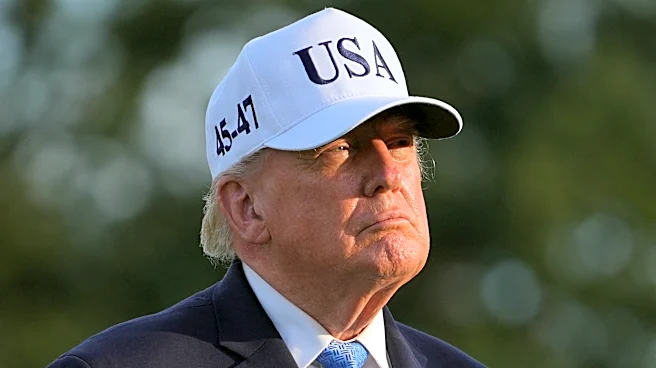
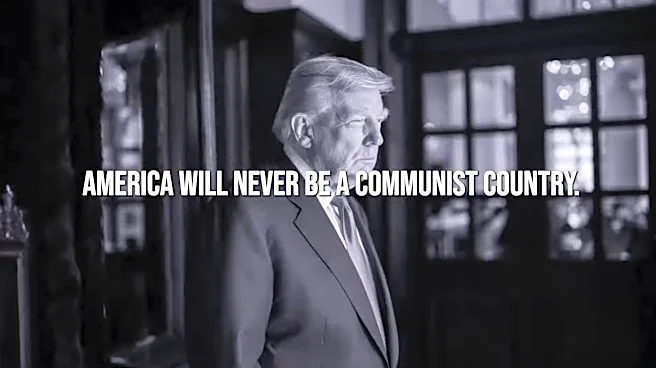
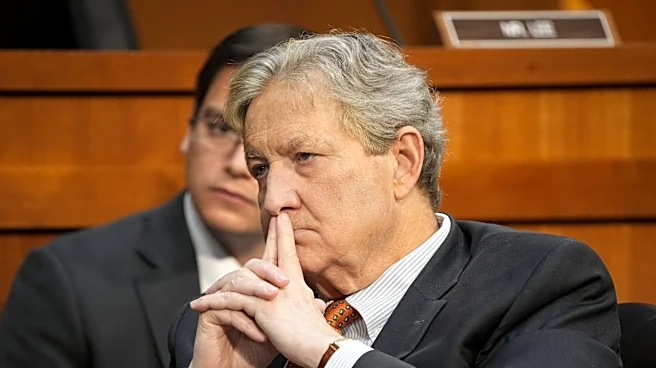
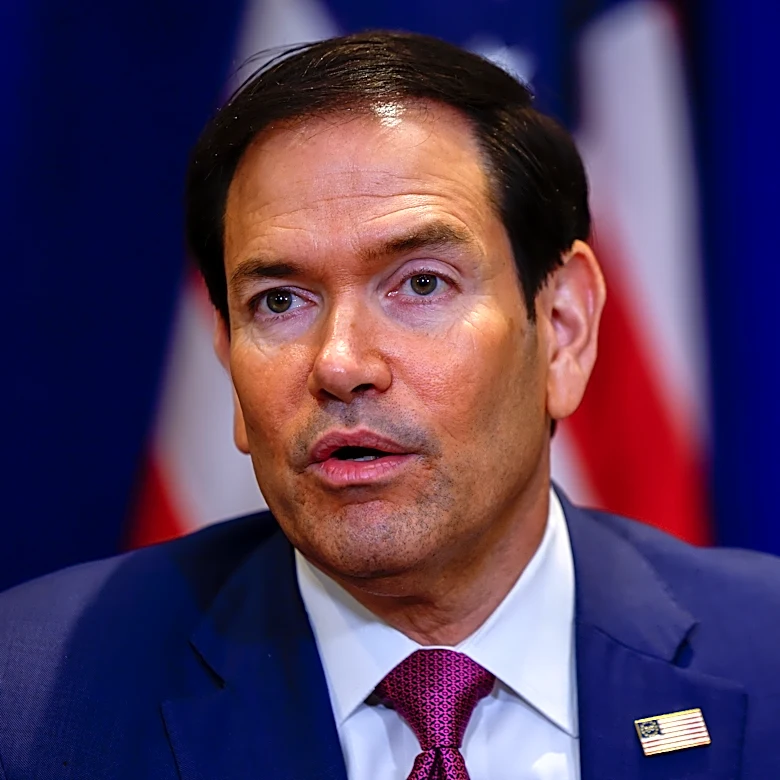
Rep. Suhas Subramanyam (D-VA), a member of the Oversight Committee, has publicly criticized the White House for airing what he describes as government-funded political advertisements. These ads, which feature President Trump, have been presented by the White House as public service
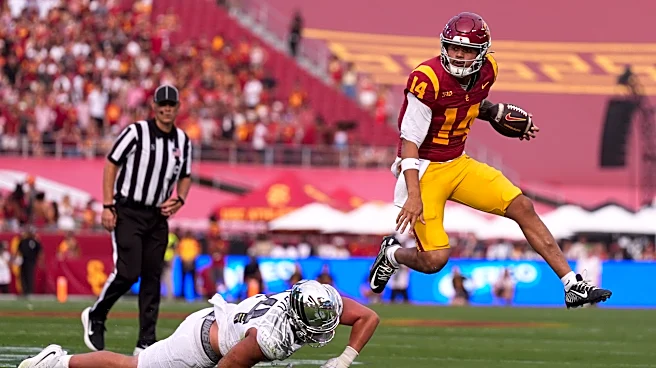
announcements but, according to Subramanyam, function as campaign ads. He specifically referenced a recent ad that aired during NFL games, where President Trump warned of a 'final battle against communists and the deep state.' Subramanyam asserts that such ads violate rules against using taxpayer dollars for propaganda, drawing a parallel to restrictions placed on members of Congress regarding the use of public funds for political purposes. He argues that President Trump should face consequences for these actions, highlighting a pattern of alleged campaign finance law violations by the President.
Why It's Important?
This issue is significant as it touches upon the ethical use of government resources and the integrity of the electoral process. The alleged misuse of taxpayer funds for political advertising could erode public trust in government institutions and create an uneven playing field in elections. If government-funded ads are perceived as campaign material, it blurs the lines between public service and political campaigning, potentially influencing voter perception unfairly. For Democrats, this situation serves as a rallying point, energizing their base by reinforcing the narrative of President Trump's alleged overreach and disregard for legal boundaries. It also underscores the ongoing partisan divide regarding the conduct of the executive branch and the role of congressional oversight in holding the President accountable.
What's Next?
Rep. Subramanyam indicated that if Democrats gain control of the House, their agenda would include providing oversight over the President's actions, particularly concerning alleged legal violations. He stated that the Oversight Committee's role is to scrutinize the President, not to shield him, suggesting that investigations into such matters could be pursued. The ongoing debate surrounding these ads is likely to intensify as the election approaches, with government watchdog groups like Common Cause continuing to monitor and potentially challenge the White House's actions. The outcome of the upcoming election will significantly influence whether formal oversight actions are taken regarding the alleged misuse of taxpayer funds for political advertising.
Beyond the Headlines
The controversy surrounding government-funded political ads highlights a deeper tension between the executive branch's communication strategies and established campaign finance regulations. It raises questions about the definition of a 'public service announcement' in a highly polarized political environment and the potential for executive power to be leveraged for electoral advantage. Beyond the immediate legal and ethical concerns, this situation could contribute to a broader public cynicism about political messaging and the impartiality of government communications. It also underscores the challenges faced by oversight bodies in enforcing rules when the executive branch is perceived to be pushing boundaries, potentially setting precedents for future administrations regarding the use of public funds in political contexts.