






What's Happening?
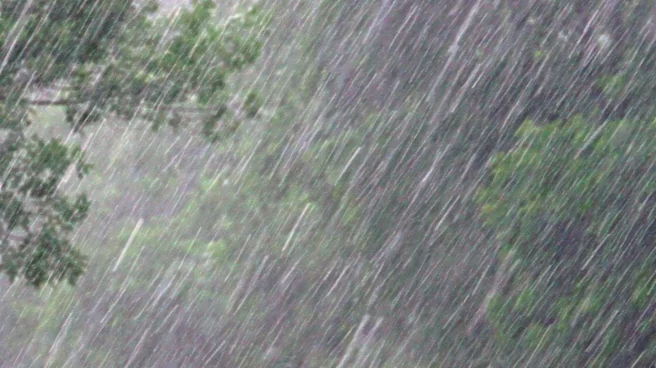
The Boston area is bracing for a wet weekend, with the first round of rain expected to move in later today. While temperatures will initially reach the low to mid-80s, showers are anticipated by late afternoon and into the night, with the heaviest rainfall
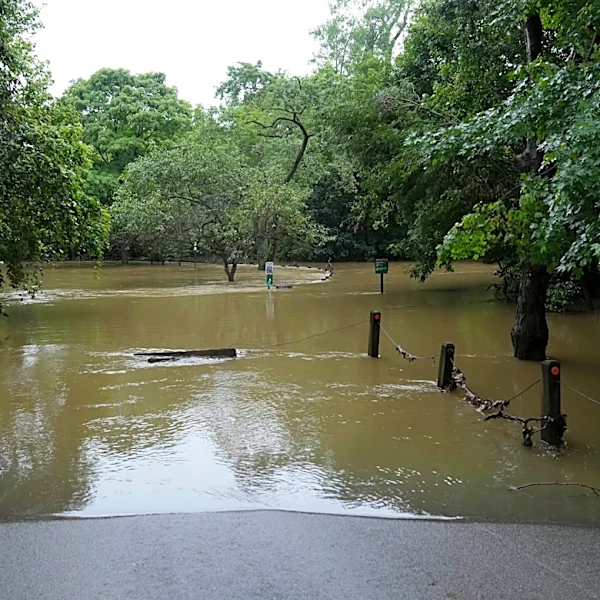
projected for southeast Massachusetts. The rain is expected to linger into Friday afternoon, blurring the lines before a second, more significant storm system arrives on Saturday. This Saturday storm, approaching from the south, is likely to bring heavy downpours and a slight potential for localized flooding across the region. Forecasters predict that most areas will receive over an inch of rain, with some locations potentially seeing more than two inches. Sunday is expected to have fewer showers, with some partial sun and the possibility of afternoon storms, as temperatures remain in the low to mid-70s.
Why It's Important?
This extended period of wet weather carries several implications for residents and local infrastructure. The potential for localized flooding, particularly on Saturday, could disrupt travel, impact outdoor events, and strain urban drainage systems. Businesses reliant on weekend outdoor activities may experience reduced patronage, affecting local economies. For homeowners, heavy rainfall increases the risk of basement flooding and property damage. The forecast also highlights the ongoing challenges of managing urban water runoff and the need for resilient infrastructure in the face of changing weather patterns. Public safety officials will likely issue advisories, emphasizing the importance of caution on roads and preparedness for potential weather-related hazards.
What's Next?
Residents in the Boston area should monitor local weather alerts and prepare for significant rainfall and potential flooding. Authorities will likely issue warnings and provide updates on road conditions and any necessary precautions. Individuals with outdoor plans for the weekend should consider rescheduling or making alternative arrangements. Emergency services will be on standby to respond to any weather-related incidents. The focus will be on managing the immediate impacts of the heavy rain, including potential power outages and localized disruptions. The long-term implications may include assessing the effectiveness of current drainage systems and potentially accelerating infrastructure improvements to mitigate future flooding risks.
Beyond the Headlines
Beyond the immediate weather impacts, this forecast underscores the broader issue of climate variability and its effects on urban environments. Increased frequency or intensity of heavy rainfall events can exacerbate existing vulnerabilities in older infrastructure, leading to more frequent flooding and associated costs. This situation prompts discussions about urban planning, green infrastructure solutions, and community resilience strategies to adapt to a changing climate. It also highlights the role of accurate and timely weather forecasting in public safety and economic planning, enabling communities to better prepare for and respond to extreme weather events. The cumulative effect of such events can influence insurance rates, property values, and the overall livability of coastal and low-lying urban areas.