






What's Happening?
A new analysis from Europe’s Copernicus Atmosphere Monitoring Service (CAMS) reveals that only 5% of the global population breathed ozone at a level considered good by the World Health Organization (WHO) in 2026. Nearly 40% of people were exposed to the highest
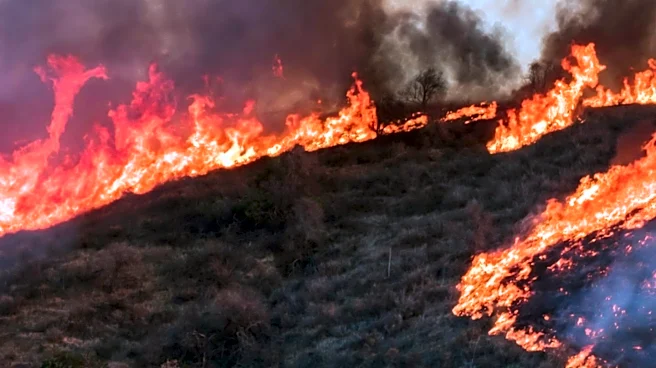
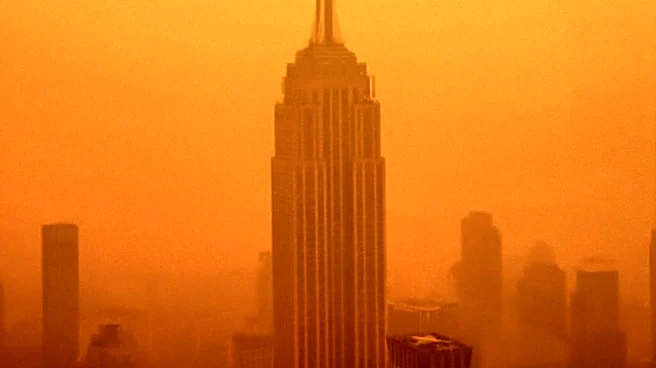
category of 'extremely poor' ozone levels, with Asia being the most affected region. In North America, over two-thirds of the population experienced poor or worse ozone levels, particularly on the two U.S. coasts and in major cities. This persistent ozone pollution in North America, despite decades of emission cuts, is partly attributed to wildfires supplying the necessary ingredients for its formation. Ground-level ozone, which irritates lungs, forms when nitrogen oxides from burning fuel react with organic vapors from various sources in sunlight, a process accelerated by hot, still summer weather.
Why It's Important?
The widespread exposure to dangerous ozone levels poses a significant public health threat, particularly in the U.S. and globally. Ground-level ozone irritates the lungs and can worsen existing respiratory and cardiovascular conditions, leading to increased hospital admissions and premature deaths. The fact that North America, especially the U.S. coasts and major cities, is experiencing poor ozone levels despite emission reduction efforts indicates a complex challenge, partly driven by factors like wildfires. This situation highlights the need for more comprehensive air quality strategies that address not only industrial and vehicular emissions but also the growing impact of climate-related events like wildfires. The health burden and associated healthcare costs could be substantial, affecting productivity and quality of life for millions.
What's Next?
The CAMS report suggests that individuals in high-ozone regions should reduce prolonged or intense outdoor physical activity, especially in the afternoon, as advised by the WHO. Children, older adults, and those with respiratory or cardiovascular conditions are particularly urged to take extra precautions. Policymakers and environmental agencies in the U.S. will need to re-evaluate current air quality regulations and strategies to account for the persistent challenge of ozone pollution, especially in the context of increasing heatwaves and wildfires. This may involve stricter controls on precursor emissions, improved wildfire management, and enhanced public warning systems. The transboundary nature of ozone pollution also implies a need for international cooperation on air quality management.
Beyond the Headlines
The persistent problem of ground-level ozone, even with efforts to reduce other pollutants, points to a deeper environmental and public health dilemma. It underscores the intricate chemical reactions in the atmosphere and how climate change, through increased heat and wildfires, can exacerbate existing pollution challenges. The report implicitly highlights the limitations of addressing individual pollutants in isolation and the need for a holistic approach to air quality management that considers the broader climate context. This situation could also drive innovation in air purification technologies, urban planning that incorporates more green spaces, and public health campaigns focused on protecting vulnerable populations from air pollution. The long-term implications include potential shifts in urban living patterns and a greater emphasis on climate resilience in public health policy.