






What's Happening?
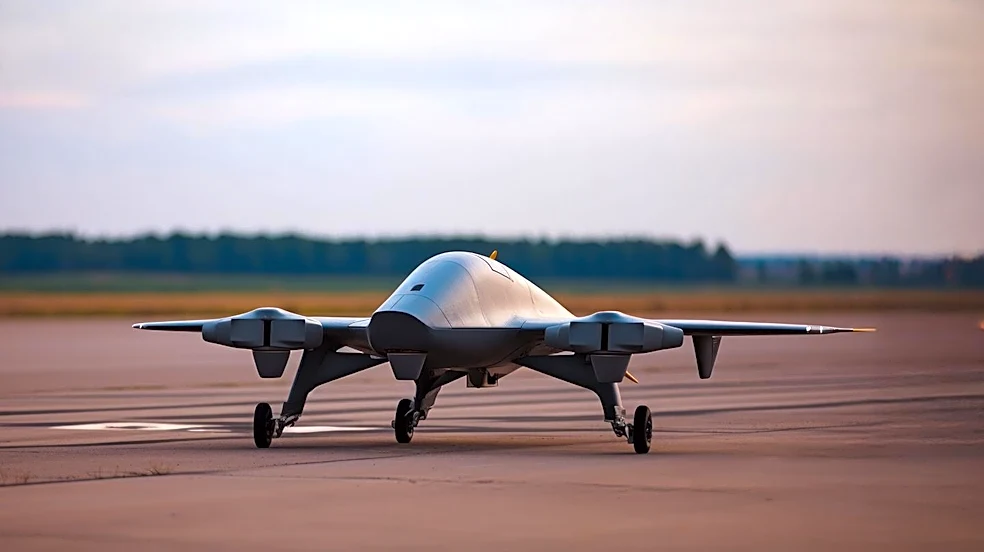
The German Ministry of Defence has formally informed Boeing that it will not directly procure the company's MQ-28 Ghost Bat drone wingman. This decision marks a change in Germany's plans for its Collaborative Combat Aircraft (CCA) procurement. While Germany had
previously aimed to field a CCA by 2029, potentially making it the first European country to achieve this milestone, the timeline is now uncertain. The German Ministry of Defence declined to provide specific reasons for abandoning the acquisition, citing regulations concerning procurement and public contracting law, as well as the requirement for parliamentary address. Boeing stated it stands ready to support its German customer on next steps.
Why It's Important?
This decision has significant implications for Boeing and the broader defense industry. The direct procurement of the MQ-28 Ghost Bat would have been a substantial contract for Boeing, and its cancellation opens the door for other defense contractors. For Germany, the shift in procurement strategy could delay its goal of fielding a CCA, potentially impacting its defense capabilities and its position as a leader in European military technology. The move also highlights the complexities and political considerations involved in large-scale defense acquisitions, where national regulations and parliamentary oversight play a crucial role. Other companies, including Germany's Helsing and a partnership between Airbus and Kratos, are now poised to compete for the CCA acquisition, intensifying competition in the European defense market.
What's Next?
Germany is now expected to wait until the early 2030s for the Collaborative Combat Aircraft capability to arrive, with aircraft tests scheduled to begin in 2027. These tests will provide an opportunity for various competitors, including Boeing, Helsing with its CA-1 Europa, and the Airbus-Kratos partnership with the U740-Valkyrie, to vie for selection in the CCA acquisition. General Atomics Aeronautical Systems may also offer a wingman from its Gambit family. The German parliament will likely play a key role in the future procurement process, given the ministry's statement about parliamentary address requirements. The outcome of these tests and subsequent decisions will determine which company or consortium ultimately secures the lucrative contract to supply Germany's next-generation drone wingmen.
Beyond the Headlines
The German Ministry of Defence's decision to halt direct procurement of the Boeing MQ-28 Ghost Bat underscores a broader trend in defense acquisition: a move towards more competitive bidding and potentially a preference for European-developed solutions. While the official reason cited was regulatory, the delay could also reflect a strategic re-evaluation of Germany's defense needs and industrial priorities. This shift could foster greater innovation within the European defense sector as companies compete for these significant contracts. It also highlights the increasing importance of uncrewed collaborative aircraft in modern warfare, with nations like Germany seeking to integrate these advanced capabilities into their air forces. The long-term implications could include a more diversified supply chain for defense technology in Europe and a potential reduction in reliance on single-source foreign suppliers.