






What's Happening?
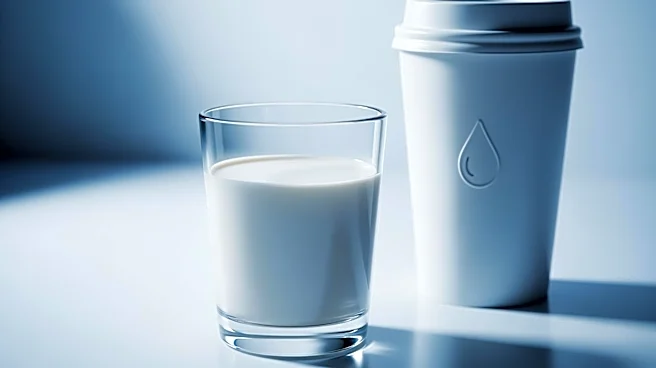
The Food and Drug Administration (FDA) has announced a recall of several bottled beverages sold at Wawa stores across five states due to the presence of an undeclared milk allergen. The affected products include iced tea, lemonade, and fruit punch, which
were distributed in Delaware, Maryland, New Jersey, Pennsylvania, and Virginia. The recall was initiated after Wawa identified and corrected an equipment issue that led to the contamination. The beverages in question are Wawa Iced Tea Lemon, Wawa Iced Diet Tea Lemon, Wawa Diet Lemonade, and Wawa Fruit Punch, all in 16 oz sizes. Although no adverse reactions have been reported so far, the FDA warns that the undeclared milk allergen could pose serious or life-threatening risks to individuals with milk allergies or sensitivities. Consumers are advised to discard the recalled products and can request a refund in the form of a Wawa gift card.
Why It's Important?
This recall highlights the critical importance of accurate labeling in the food and beverage industry, particularly concerning allergens that can have severe health implications. The presence of undeclared allergens in food products can lead to serious health risks for consumers with allergies, potentially resulting in hospitalizations or even fatalities. The recall affects a significant number of stores across multiple states, indicating a widespread distribution issue that could impact a large consumer base. This incident underscores the need for stringent quality control measures and regulatory compliance to ensure consumer safety. It also serves as a reminder for companies to maintain transparency and prompt communication with consumers in the event of such issues.
What's Next?
Wawa has already removed the affected products from its stores, but consumers who may still have these beverages are urged to dispose of them immediately. The company is offering refunds to affected customers, which can be obtained by contacting Wawa's 24-hour Customer Contact Center. Moving forward, Wawa and other beverage manufacturers may need to review and enhance their quality assurance processes to prevent similar incidents. Regulatory bodies like the FDA will likely continue to monitor compliance and enforce strict labeling standards to protect public health. This incident may also prompt discussions on improving allergen labeling practices and consumer awareness.