


What's Happening?
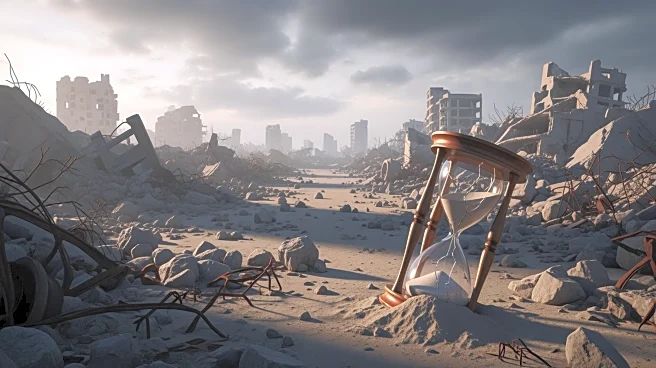
The United Nations has issued a warning that the removal of rubble in Gaza could take nearly a decade, highlighting the extensive destruction in the region. UN Under-Secretary-General Jorge Moreira da Silva stated that over 60 million tons of rubble need
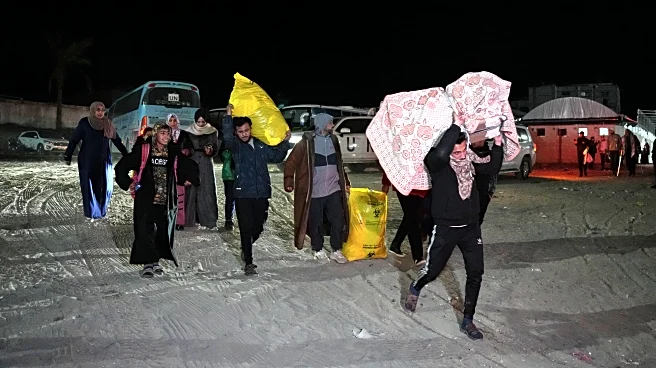
to be cleared, which is enough to fill approximately 3,000 container ships. The destruction has severely impacted homes, schools, clinics, and essential infrastructure such as roads, water, and electricity systems. The humanitarian crisis in Gaza is deepening, with harsh winter conditions exacerbating the situation. Children in Gaza face the risk of becoming a 'lost generation' due to ongoing physical and psychological trauma. Fuel shortages are critically affecting humanitarian operations, as it is essential for running hospitals, distributing food aid, and maintaining communication and transport for emergency responders. The announcement of the second phase of the Gaza peace plan has been welcomed, but immediate basic services are urgently needed.
Why It's Important?
The prolonged timeline for rubble removal in Gaza underscores the severe humanitarian and infrastructural challenges facing the region. The lack of essential services and infrastructure not only affects the daily lives of Gaza's residents but also poses significant obstacles to long-term recovery and stability. The situation highlights the urgent need for international support and intervention to address the humanitarian crisis and facilitate reconstruction efforts. The involvement of international bodies and the call for improved humanitarian access are crucial for ensuring that aid reaches those in need and that reconstruction efforts can proceed effectively. The potential for a 'lost generation' of children due to prolonged trauma and lack of education further emphasizes the need for immediate and sustained intervention.
What's Next?
The next steps involve addressing the critical need for fuel and other essential supplies to support humanitarian operations in Gaza. The international community, including the United Nations and other stakeholders, must work towards ensuring improved access to aid and the opening of all crossings and corridors. The resolution of disputes over dual-use items, which are currently restricted due to their potential use for weapons, is also necessary to facilitate reconstruction efforts. Continued diplomatic efforts are needed to reach a political solution that ensures safety and dignity for both Palestinians and Israelis. The success of the second phase of the Gaza peace plan will depend on the effective implementation of these measures and the cooperation of all parties involved.