







What's Happening?
The Federal Emergency Management Agency (FEMA) has announced the allocation of over $17 million in federal funding to support flood risk reduction and community resilience projects across New England, including Vermont. This funding is part of a broader
initiative authorized through federal legislation, which aims to distribute more than $189 million for 125 hazard-mitigation projects across 40 states and one tribal nation. The funds are intended to help communities prepare for disasters before they occur. In Vermont, specific projects include $591,000 for floodplain restoration in Barre, $70,000 for a flood recovery plan in Hardwick, and $1.4 million for housing elevation in Montpelier. Other New England states, such as Rhode Island, Massachusetts, and New Hampshire, will also receive funding for various flood protection and coastal resilience projects.
Why It's Important?
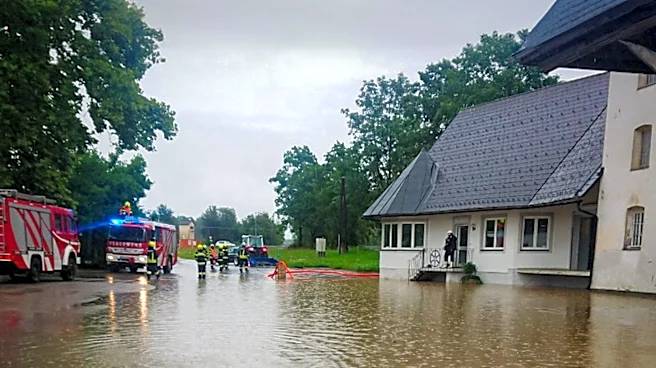
This funding is crucial for enhancing the resilience of communities in New England against the increasing threat of flooding, which is exacerbated by climate change. By investing in flood mitigation and coastal resilience projects, FEMA aims to reduce the potential damage and economic losses associated with future flood events. The projects will not only protect infrastructure and homes but also safeguard the livelihoods of residents in these areas. The initiative reflects a proactive approach to disaster management, emphasizing preparedness and risk reduction. Communities that successfully secure funding will be better equipped to handle extreme weather events, thereby minimizing the impact on local economies and public safety.
What's Next?
Communities interested in securing this funding must submit their applications by July 22. The application process will determine which projects meet the eligibility requirements to receive the allocated funds. As these projects move forward, local governments and stakeholders will likely engage in planning and implementation phases to ensure the effective use of resources. The success of these projects could serve as a model for other regions facing similar challenges, potentially influencing future federal funding allocations and disaster preparedness strategies.