







What's Happening?
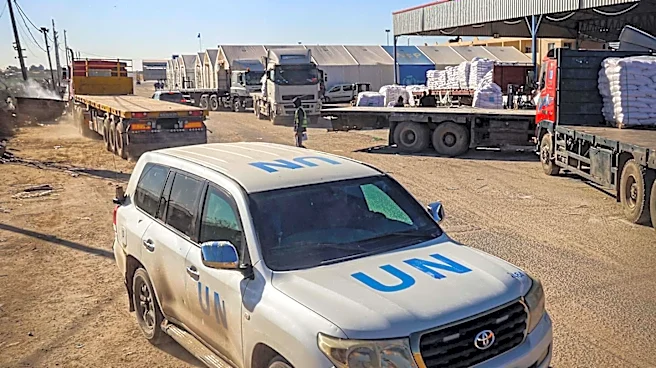
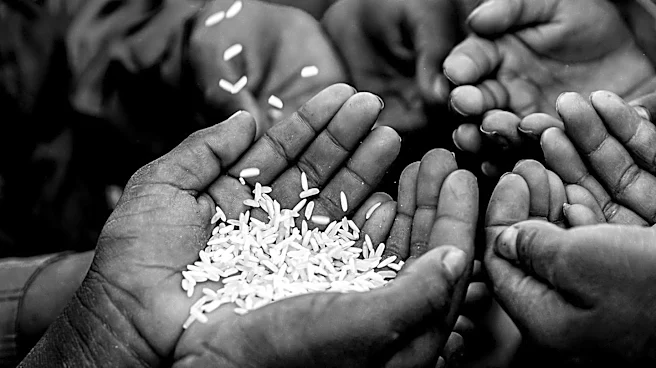
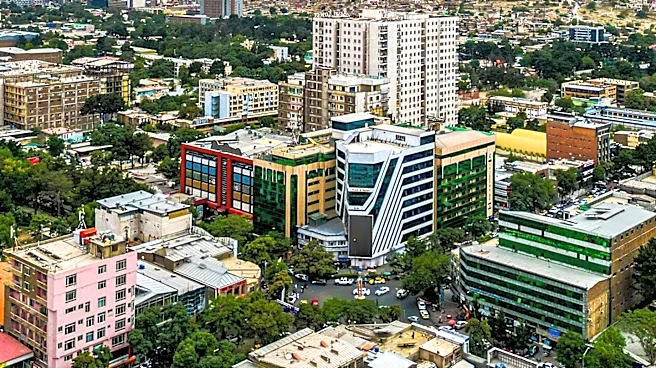
Afghanistan is experiencing a severe hunger crisis, with nearly half of its minors suffering from malnutrition, according to the World Food Programme (WFP). The situation is particularly dire in regions like Kandahar, where economic and political instability
under Taliban control has exacerbated the crisis. The WFP has reported that it has received only a fraction of the funds needed to address the crisis, with only about 10% of the $900 million required for the year. The organization is now seeking an additional $540 million to combat acute food insecurity over the next six months.
Why It's Important?
The hunger crisis in Afghanistan poses significant humanitarian and geopolitical challenges. Malnutrition among children can lead to long-term health issues, affecting their physical and cognitive development. The crisis also has broader implications, potentially driving migration and contributing to regional instability. The lack of adequate funding for humanitarian aid highlights the challenges faced by international organizations in addressing such crises. The situation calls for urgent international attention and support to prevent further deterioration and to stabilize the region.
What's Next?
The WFP and other humanitarian organizations will likely intensify their efforts to secure additional funding and resources to address the crisis. There may be increased diplomatic efforts to engage international donors and governments to provide the necessary support. The Afghan government, along with international partners, might explore strategies to improve food distribution and access in affected areas. Monitoring and evaluation of the situation will be crucial to adapt interventions and ensure that aid reaches those most in need.