





What's Happening?
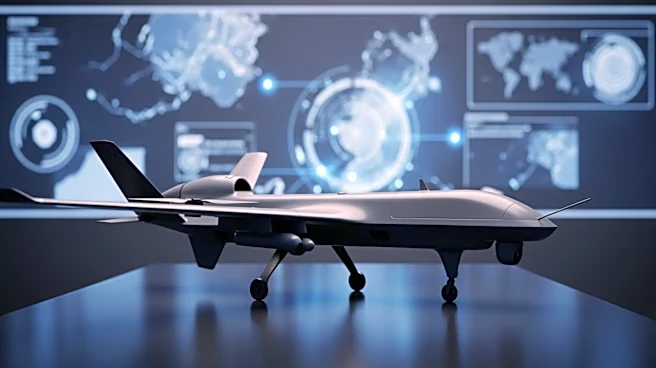
The European Commission has announced the allocation of €1.07 billion ($1.26 billion) for defense research and development, focusing on lessons learned from the Ukraine war. The funding will support 57 collaborative projects, emphasizing drones, autonomy,
and partnerships with Ukraine. Notably, Ukrainian entities are now eligible to participate in these projects, marking a significant step towards integrating Ukraine's defense industry with the EU. The projects aim to address the evolving nature of warfare, particularly the use of drones, and to enhance the EU's defense capabilities. This initiative is part of a broader strategy to strengthen the EU's defense posture in response to geopolitical challenges.
Why It's Important?
This funding initiative underscores the EU's commitment to bolstering its defense capabilities in light of recent conflicts, particularly the war in Ukraine. By integrating Ukrainian expertise and experiences, the EU aims to enhance its technological and industrial base, ensuring readiness for future conflicts. The focus on drones and autonomous systems reflects a shift towards modern warfare tactics, which have proven effective in recent conflicts. This move also signals a deepening of EU-Ukraine defense cooperation, potentially influencing the geopolitical landscape in Europe. The initiative could lead to increased innovation and competitiveness within the EU's defense sector, benefiting both large and small enterprises.
What's Next?
The EU is expected to finalize an association agreement with Ukraine, allowing full participation in future defense projects. This will likely lead to further integration of Ukraine's defense industry with the EU, enhancing collaborative efforts. The projects funded under this initiative will begin development, with a focus on creating scalable and innovative defense solutions. The EU may also continue to expand its defense funding, aligning with its strategic goals to enhance security and defense capabilities. Stakeholders, including EU member states and defense companies, will closely monitor the progress and outcomes of these projects, which could shape future defense policies and collaborations.