




What's Happening?
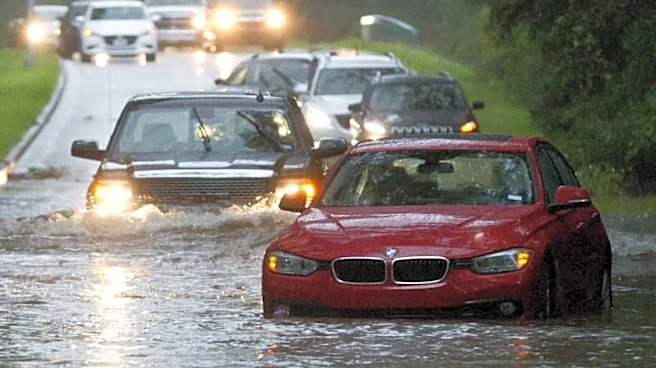
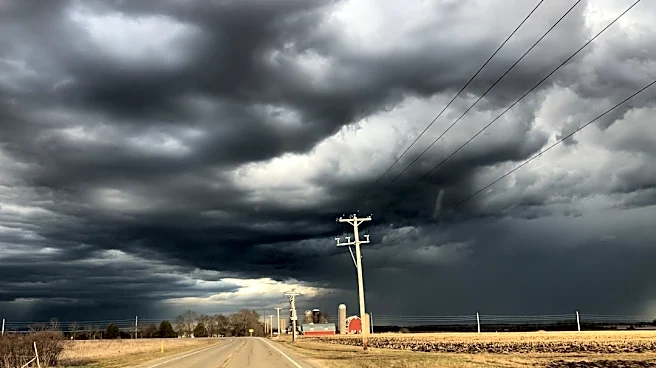
The Midwest is currently experiencing a weeklong flash flood threat, with the National Oceanic and Atmospheric Administration's (NOAA) Weather Prediction Center (WPC) issuing a Level 2 out of 4 flash flood threat for parts of the region through Sunday.
Widespread rainfall of 3–5 inches is anticipated, with some localized areas potentially receiving 5–8 inches. This deluge is fueled by a persistent heat dome over the South, which is directing deep tropical moisture from the Southwest and Gulf around its western flank. Initial rounds of storms earlier in the week have already led to flooding in Western Iowa, causing rivers and creeks in Cass County to overflow. The ground is already saturated, exacerbating the flood risk. On Thursday, heavy rain is expected to concentrate in South Dakota, with forecast totals of 2–4 inches, potentially higher locally, particularly across western and central South Dakota, extending towards the I-90 corridor and Sioux Falls area. The FOX Forecast Center predicts severe storms could reignite over Nebraska, Kansas, and Iowa on Friday, with significant rainfall also expected in southern Minnesota and much of Wisconsin, including Minneapolis and Milwaukee. The core of this flood threat is projected to shift eastward into the Great Lakes by Saturday.
Why It's Important?
This prolonged flood threat carries significant implications for the Midwest, impacting agriculture, infrastructure, and public safety. The widespread rainfall and potential for flash flooding can lead to substantial crop damage, particularly in states heavily reliant on agriculture like Iowa, Nebraska, and Kansas, potentially affecting national food supplies and agricultural markets. Infrastructure, including roads, bridges, and urban drainage systems, faces considerable strain, leading to disruptions in transportation and commerce. The saturation of soils increases the risk of mudslides and further structural damage. For residents, the threat of flash flooding necessitates evacuations, property damage, and potential loss of life, as seen with previous flooding events. Businesses in affected areas may experience closures and economic losses. The continuous nature of these storms, driven by a heat dome, highlights the increasing frequency and intensity of extreme weather events, posing long-term challenges for regional planning and disaster preparedness. The eastward shift of the flood threat towards the Great Lakes also extends these concerns to a broader population and economic centers.
What's Next?
The immediate focus will be on monitoring the progression of the storms and the eastward shift of the flood threat into the Great Lakes region by Saturday. Emergency services and local authorities in affected areas, particularly South Dakota, Nebraska, Kansas, Iowa, Minnesota, and Wisconsin, will remain on high alert, preparing for potential evacuations and rescue operations. Residents are advised to stay informed through local weather advisories and take necessary precautions, such as avoiding flooded roads and securing properties. The saturated ground conditions mean that even moderate additional rainfall could quickly lead to further flooding. In the aftermath, there will likely be assessments of agricultural losses, infrastructure damage, and the need for federal and state aid for recovery efforts. The ongoing weather pattern, influenced by the persistent heat dome, suggests that similar extreme weather events could recur, prompting discussions on long-term climate resilience strategies and infrastructure improvements across the affected regions.
Beyond the Headlines
The recurring and intense weather patterns, such as the current heat dome fueling these Midwest storms, underscore broader climate-related challenges facing the United States. While individual weather events are complex, their increasing frequency and severity align with projections of climate change, suggesting a need for more robust and adaptive infrastructure. The economic impact extends beyond immediate property damage, affecting insurance markets, supply chains, and potentially leading to population shifts as communities grapple with repeated natural disasters. There's also a significant psychological toll on residents who face repeated threats to their homes and livelihoods. This situation highlights the critical role of advanced weather prediction and early warning systems in mitigating harm, as well as the importance of community-level preparedness and resilience. The interplay between a heat dome in the South and severe storms in the Midwest illustrates the interconnectedness of regional weather systems and the far-reaching consequences of atmospheric phenomena.