



What's Happening?
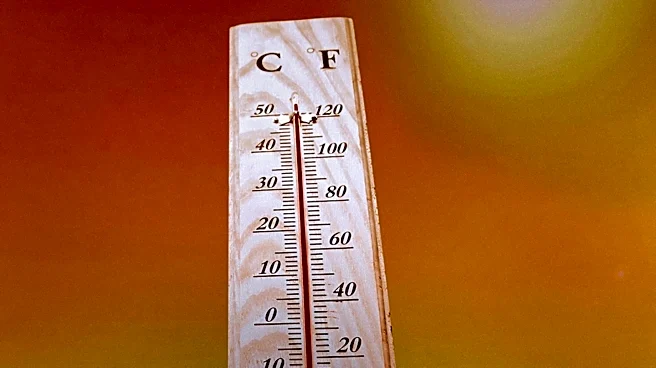
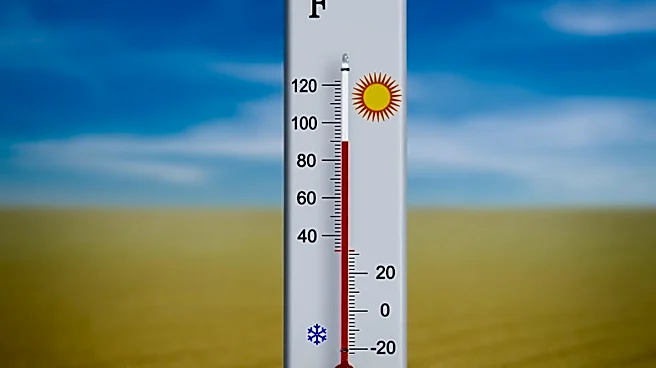
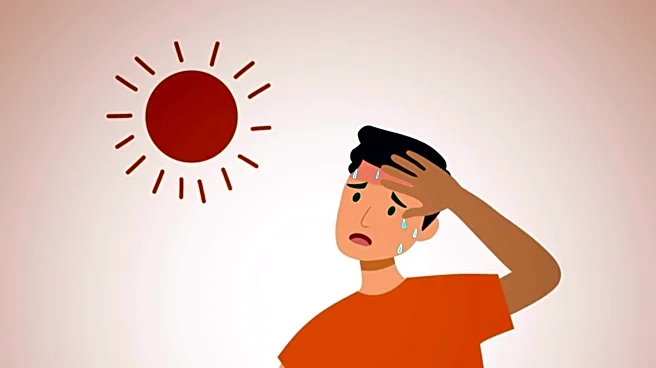
Meteorologist Mitchel Coombs explores the impact of heat on the human body using 3D technology. As temperatures rise during the summer, the risk of heat-related illnesses increases. The body's cooling mechanism, sweat, becomes less effective in humid
conditions, leading to potential health risks such as heat exhaustion and heat stroke. Symptoms of heat exhaustion include heavy sweating and dizziness, while heat stroke is more severe, requiring immediate medical attention. Residents are advised to stay hydrated and avoid prolonged exposure to heat.
Why It's Important?
Heat-related illnesses are a significant concern during the summer months, particularly in regions like western Montana where temperatures peak in late July and August. Understanding the science behind heat and its effects on the body is crucial for public health awareness and prevention. Vulnerable groups, including children and the elderly, are at higher risk, necessitating community education and preparedness. The information provided by meteorologists can help residents take proactive measures to protect themselves and reduce the incidence of heat-related health issues.