







What's Happening?
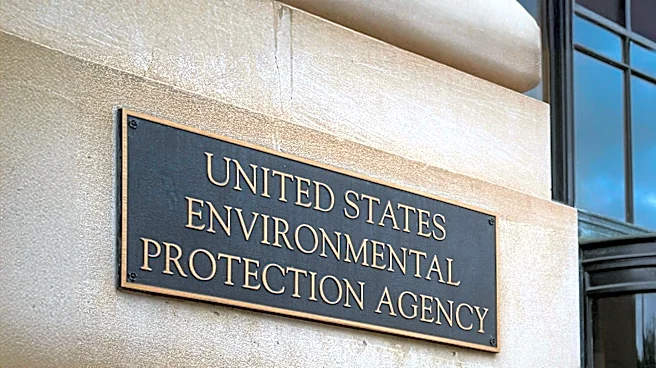
The U.S. Environmental Protection Agency (EPA) is gathering information to develop a new regulation under the Toxic Substances Control Act (TSCA) for legacy uses and disposals of asbestos. This initiative, announced on June 23, 2026, focuses on both non-chrysotile
and chrysotile asbestos fiber types, as well as asbestos-containing talc. The EPA's goal is to collect real-world data from workers, building owners, states, Tribes, industry, and communities to create a robust rule that withstands legal challenges. The agency emphasizes the importance of understanding exposure risks, particularly during activities like renovation, demolition, or repair, where asbestos-containing materials are disturbed. The deadline for submitting information is August 24, 2026. The EPA plans to propose the Asbestos Part 2 risk management rule by June 3, 2027, to ensure the protections are strong and defensible.
Why It's Important?
This regulatory effort is significant as it addresses the long-standing issue of asbestos exposure, which poses serious health risks. The EPA's action reflects a broader commitment to public health and safety by targeting areas where people are most exposed. The regulation could have substantial implications for industries involved in construction, renovation, and demolition, as they may face new compliance requirements. Additionally, the rule aims to protect vulnerable populations, including workers and communities near asbestos sites. The outcome of this regulation could set a precedent for how legacy environmental hazards are managed in the U.S., influencing future policy and regulatory frameworks.
What's Next?
The EPA's next steps involve analyzing the data collected to draft a comprehensive risk management rule. This process will likely involve consultations with stakeholders to balance public health concerns with economic impacts. The agency may face legal challenges, particularly from industry groups or organizations advocating for stricter regulations. The timeline for the rule's implementation will depend on the EPA's ability to address these challenges and finalize the rule. Stakeholders, including companies with asbestos-containing materials, are encouraged to participate in the information-gathering process to influence the rule's development.
Beyond the Headlines
The EPA's focus on asbestos highlights broader issues of environmental justice and regulatory accountability. The agency's approach to legacy asbestos could influence how other hazardous materials are regulated, particularly those with historical use but ongoing exposure risks. This initiative also underscores the importance of scientific data in shaping policy, as the EPA seeks to base its rule on comprehensive exposure and economic analyses. The regulation's success will depend on effective enforcement and the ability to adapt to new scientific findings, ensuring long-term protection for public health.