







What's Happening?
A new report from the nonprofit Plastic Pollution Coalition, with input from NCSE's Wendy Johnson, reveals that the plastics industry is actively influencing U.S. K-12 classrooms. The industry is reportedly inserting its agenda through lesson plans, worksheets,
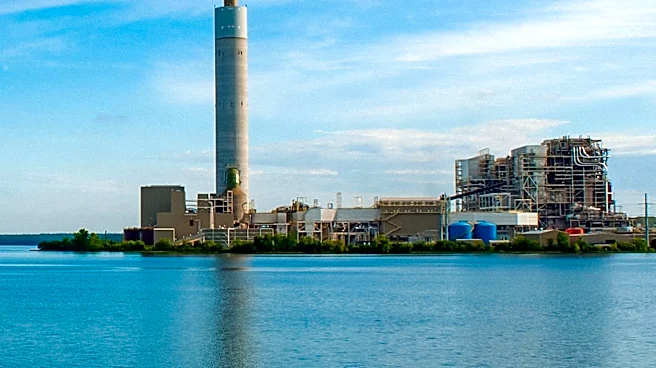
and educational programs that promote the benefits of plastics while minimizing their environmental and health risks. These materials often originate from industry-affiliated organizations and are particularly prevalent in schools located near petrochemical facilities, such as Shell's plastics production complex in Beaver County, Pennsylvania. The report highlights that these educational resources, while sometimes claiming to support STEM learning objectives, primarily serve to disseminate industry talking points, emphasizing the affordability and safety of plastics. Some materials acknowledge plastic pollution but tend to attribute the problem to irresponsible consumer behavior rather than systemic issues. Wendy Johnson noted that these materials often use technical terms to create a false impression of scientific rigor, while actually promoting ideological perspectives about the economy, such as the desirability of cheap consumer goods. Teachers, often facing limited time and resources for curriculum development or purchasing high-quality materials, may find it difficult to decline support offered by vested interests.
Why It's Important?
This development is significant because it directly impacts the education of U.S. students regarding critical environmental and health issues. By presenting a biased view of plastics, these industry-sponsored materials can shape students' perceptions and understanding of environmental science, sustainability, and corporate responsibility from a young age. This can lead to a generation of consumers and future workers who are less informed about the true ecological and health consequences of plastic production and waste. The infiltration of industry-specific narratives into public education undermines the goal of providing objective, comprehensive scientific literacy. It also raises concerns about the ethical boundaries of corporate influence in educational settings, potentially compromising the integrity of the curriculum. Furthermore, it can hinder efforts to foster critical thinking skills among students, as they are exposed to information that may prioritize economic interests over environmental and public health concerns. The reliance of teachers on readily available, free materials from industry sources underscores a broader issue of underfunded educational systems, making schools vulnerable to such influences.
What's Next?
The Plastic Pollution Coalition is advocating for stricter school policies to prevent the use of industry-sponsored learning materials. This call to action aims to ensure that students receive accurate and unbiased information about plastic pollution and its impacts. The report's findings may prompt discussions among educators, parents, and policymakers about the need for greater scrutiny of educational content, particularly when it originates from industries with vested interests. There could be increased pressure on school districts to develop guidelines for evaluating and selecting curriculum materials to safeguard against corporate propaganda. Additionally, there might be a push for more funding and resources for teachers to develop their own curricula or acquire high-quality, independent educational materials. This situation could also lead to broader public awareness campaigns about the issue, encouraging communities to demand transparency and accountability from both educational institutions and the plastics industry regarding the information presented to students.
Beyond the Headlines
The issue extends beyond just the plastics industry, reflecting a broader pattern of corporate entities attempting to influence public perception and policy through educational channels. Historically, industries such as tobacco, junk food, pesticides, and fossil fuels have employed similar tactics to promote their products and downplay associated risks. This practice raises fundamental questions about the role of education in a democratic society and the potential for corporate interests to shape public discourse and future policy decisions. The long-term implications include a potential erosion of trust in educational institutions if they are perceived as conduits for corporate agendas. Ethically, it challenges the principle of providing a balanced and comprehensive education, particularly on topics with significant societal and environmental consequences. Culturally, it highlights the ongoing tension between economic development and environmental protection, and how these narratives are constructed and disseminated to younger generations. Addressing this issue requires not only policy changes within schools but also a societal commitment to critical media literacy and independent scientific inquiry.