




What's Happening?
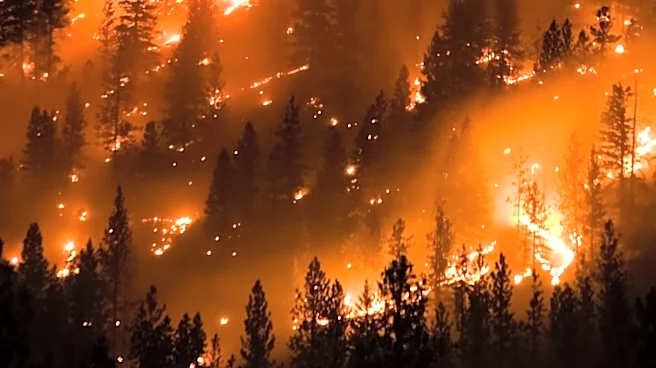
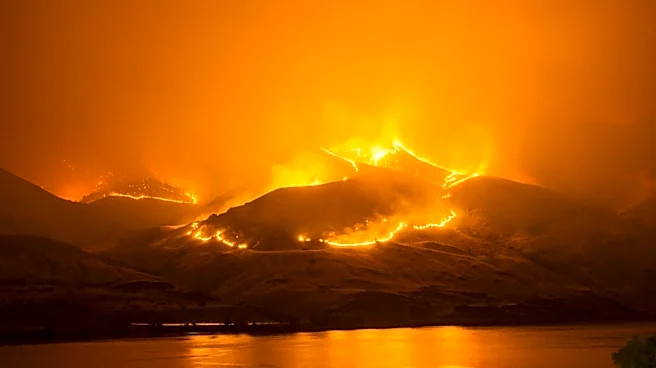
A rapidly spreading wildfire, named the Mukluk Fire, ignited late Monday morning in Tok, Alaska, near the Alaska Highway. The fire, reported to be human-caused, quickly grew to over 1,500 acres by Monday evening, spreading east and northeast towards the Tanana
River. Sustained winds of approximately 20 mph fueled the flames, pushing them through residential areas. Level 3 'GO' evacuation orders were issued for residents north of the Alaska Highway between Sundog Trail and Midnight Sun Drive. Officials confirmed that between six and ten structures, including homes and outbuildings, have been destroyed. The source of the fire is believed to be a downed, arcing power line near Red Fox Drive, though the exact cause remains under investigation. Firefighting efforts are underway with state, local, and federal resources, including smokejumpers, fire crews, helicopters, and air tankers from Washington and Canada. Evacuation shelters have been established at Mushers Hall and Tok School, accommodating people, pets, and large animals.
Why It's Important?
This wildfire represents a significant natural disaster for the community of Tok, causing immediate displacement and property loss for residents. The rapid spread and destructive nature of the fire highlight the increasing vulnerability of Alaskan communities to wildfires, exacerbated by dry conditions and strong winds. The incident underscores the critical need for effective emergency response and resource allocation in remote areas. The destruction of homes and structures has a direct and severe impact on the affected individuals and families, leading to long-term recovery challenges. Furthermore, the fire's proximity to the Alaska Highway, a vital transportation route, could disrupt travel and commerce, affecting regional economic activity. The ongoing investigation into the fire's cause, potentially a downed power line, also raises questions about infrastructure resilience and maintenance in fire-prone regions.
What's Next?
Firefighting efforts will continue, with crews working overnight to contain the Mukluk Fire and protect remaining structures. Shifting weather conditions, including light rain and cooler temperatures, are expected to aid suppression efforts, though fire danger is projected to increase again with rising temperatures and winds. Evacuation orders remain in place, and residents are urged to stay clear of the fire area due to hazards like downed power lines and weakened trees. Officials will provide updates on when residents can safely return. The Division of Forestry & Fire Protection will continue its investigation into the exact cause of the fire. The community will face the immediate challenge of supporting evacuees and assessing the full extent of the damage, followed by long-term recovery and rebuilding efforts. The incident may also prompt a review of wildfire prevention strategies and infrastructure safety measures in the region.
Beyond the Headlines
The Tok wildfire, while a localized event, reflects broader environmental trends and challenges facing Alaska and other regions susceptible to climate change. The 'very high' fire danger and rapid spread underscore how changing climate patterns, leading to warmer and drier conditions, are increasing the frequency and intensity of wildfires. This event serves as a stark reminder of the interconnectedness of environmental factors, human activity, and community resilience. The reliance on external resources, such as air tankers from other states and Canada, highlights the collaborative nature of disaster response but also points to the strain on resources as such events become more common. The long-term implications extend beyond immediate recovery, potentially influencing land management policies, urban planning in wildland-urban interface areas, and the development of more robust early warning and evacuation systems to protect vulnerable populations.