





What's Happening?
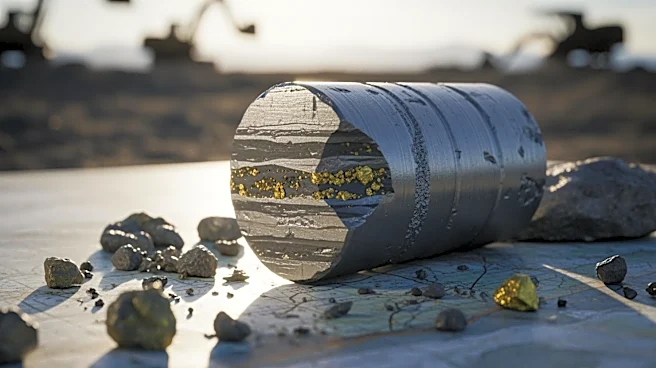
The proposed reopening of the New Polaris gold mine in British Columbia, near the Alaskan border, is facing opposition from Alaskan communities concerned about environmental impacts. The mine, which dates back to 1929, is located near the Tulsequah River,
a vital salmon habitat. Alaskan advocates argue that pollution from the mine could harm the region's salmon fisheries, which are economically and culturally significant. The project owner, Canagold, has made efforts to address these concerns, including plans to avoid using cyanide and to transport materials by air rather than by barge. However, skepticism remains among Alaskan Indigenous groups and environmentalists.
Why It's Important?
The New Polaris mine project highlights the complex interplay between economic development and environmental stewardship in transboundary regions. The potential impact on salmon fisheries, which are crucial to Alaska's economy and Indigenous cultures, underscores the need for careful consideration of cross-border environmental effects. The situation also reflects broader tensions between resource extraction industries and environmental conservation efforts, particularly in areas with significant ecological and cultural value.
What's Next?
The public comment period for the New Polaris project is set to end soon, which may influence the project's approval process. Continued dialogue between Canadian authorities, Alaskan stakeholders, and Indigenous groups will be crucial in addressing concerns and finding a balanced approach. The outcome of this project could set a precedent for future cross-border environmental and resource management issues.