


What's Happening?
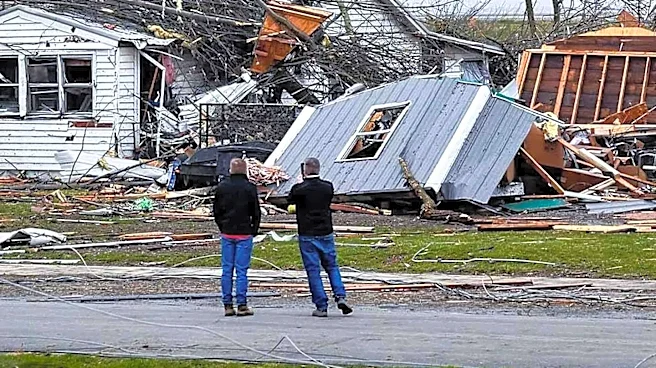
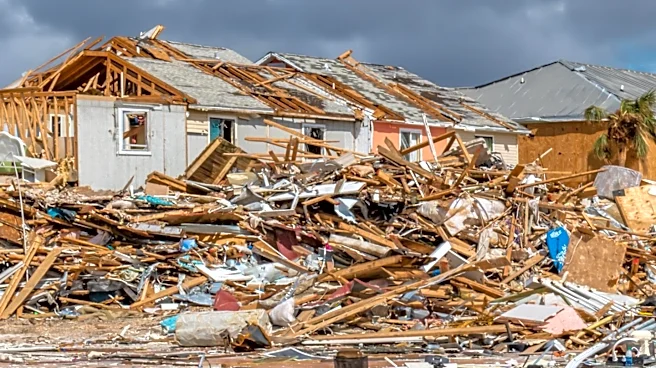
U.S. Representative Wesley Bell is actively advocating for a comprehensive disaster response package as the city of St. Louis seeks additional federal aid. This push comes in the wake of recent natural disasters, including tornadoes, that have impacted
the region. Congressman Bell's efforts are aimed at securing necessary resources for his constituents and ensuring that communities affected by extreme weather receive timely and adequate support for recovery and rebuilding. His advocacy includes co-sponsoring legislation like the 'Relief Without Delay Act,' which is designed to maintain the flow of FEMA aid during government shutdowns and enhance transparency in disaster spending. The broader goal is to strengthen the federal government's capacity to respond to emergencies and provide sustained assistance to areas grappling with the aftermath of natural calamities.
Why It's Important?
The initiative by U.S. Representative Wesley Bell is critically important for several reasons. First, it directly addresses the immediate and long-term needs of communities like St. Louis that have been hit by natural disasters. Federal aid is often indispensable for funding emergency services, infrastructure repair, housing assistance, and economic recovery programs. Delays or insufficient funding can prolong suffering and impede the rebuilding process, leading to lasting negative impacts on residents' lives and local economies. Second, Bell's focus on a comprehensive disaster response package highlights the need for a proactive and resilient approach to disaster management, rather than a reactive one. By advocating for continuous aid and increased transparency, he aims to create a more reliable and accountable system that can better serve affected populations, especially as extreme weather events become more frequent and severe. This also underscores the role of federal representation in securing vital resources for local communities.
What's Next?
Congressman Bell will continue to work within Congress to advance the disaster response package and related legislation. This will involve engaging with fellow lawmakers, relevant committees, and federal agencies like FEMA to ensure that the needs of St. Louis and other affected areas are met. The legislative process will include debates, potential amendments, and votes, with the aim of securing passage for measures that enhance disaster preparedness and recovery. Local officials in St. Louis will likely continue to collaborate with Bell's office to articulate their specific needs and advocate for federal support. Public awareness campaigns and community engagement efforts may also be undertaken to highlight the importance of these initiatives and garner broader support for robust disaster response policies. The outcome of these efforts will significantly influence the pace and effectiveness of recovery in disaster-stricken regions.
Beyond the Headlines
Beyond the immediate legislative and aid-related aspects, Representative Bell's actions reflect a growing recognition of the interconnectedness between local vulnerabilities and national policy. The push for a robust disaster response package in St. Louis underscores how localized extreme weather events can necessitate federal intervention and systemic changes. This situation also brings to light the broader implications of climate change, as communities increasingly face unpredictable and severe weather patterns. The need for continuous FEMA aid during government shutdowns points to a fundamental flaw in governance that can leave citizens exposed during crises. Bell's advocacy could contribute to a national dialogue on how to insulate essential services from political gridlock, fostering a more stable and reliable federal response mechanism. It also highlights the critical role of elected officials in translating local suffering into national policy action, ensuring that the voices of affected communities are heard at the highest levels of government.