







What's Happening?
Thousands of Lebanese residents have returned to their homes in southern Lebanon following a 10-day ceasefire between Israel and Lebanon. Despite warnings from the Lebanese army, the Israel Defense Forces, and Hezbollah about the dangers of returning,
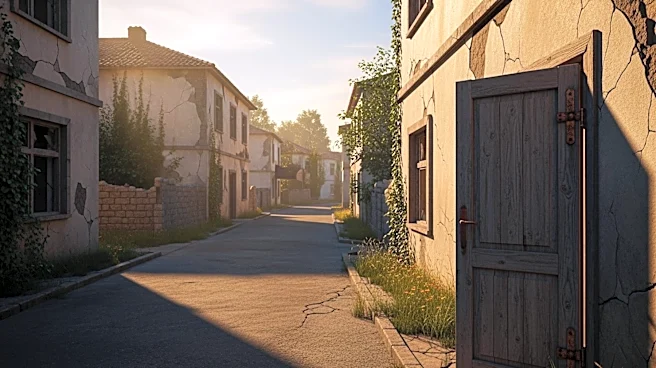
many residents were eager to see their homes after being displaced for 44 days. The ceasefire, which was announced after weeks of conflict, has allowed residents to return, albeit temporarily, to assess the damage. Many found their homes and villages heavily damaged or destroyed due to Israeli airstrikes. The return journey was fraught with challenges, including navigating rubble-strewn roads and collapsed bridges. Despite the destruction, residents expressed a mix of relief and sorrow upon returning, as they faced the reality of rebuilding their lives amidst the ruins.
Why It's Important?
The return of Lebanese residents to their homes highlights the human cost of the conflict and the fragile nature of the ceasefire. The destruction in southern Lebanon underscores the extensive impact of the conflict on civilian infrastructure and the challenges of post-conflict recovery. The ceasefire, while providing a temporary reprieve, does not address the underlying tensions between Israel and Hezbollah, which could lead to renewed hostilities. The situation also raises questions about the effectiveness of international diplomatic efforts to secure a lasting peace in the region. The return of residents, despite the risks, reflects their resilience and determination to reclaim their homes and livelihoods.
What's Next?
The future remains uncertain as the ceasefire is fragile, with both Israeli and Hezbollah officials warning that hostilities could resume if the truce is violated. The international community may need to increase diplomatic efforts to ensure the ceasefire holds and to address the root causes of the conflict. Humanitarian aid and reconstruction efforts will be crucial in supporting the displaced residents as they rebuild their communities. Monitoring the situation closely will be essential to prevent further escalation and to support a sustainable peace process.