






What's Happening?
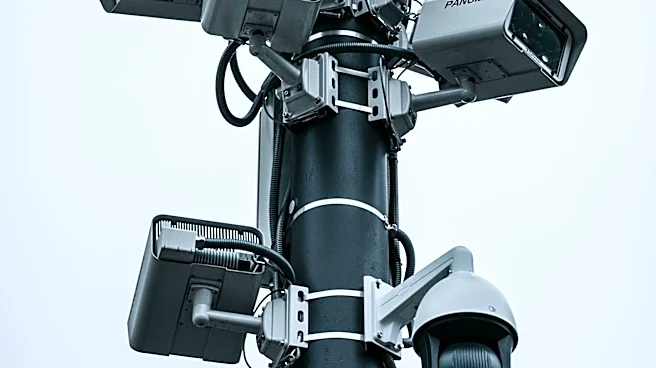
An officer from the Charlotte-Mecklenburg Police Department, Seth Elliott, has been charged with illegally accessing a government computer for non-law enforcement purposes. The State Bureau of Investigation alleges that Elliott used a license plate reader
system to track an individual without authorization. This incident involves the use of Flock technology, which the department accesses for criminal investigations, although it does not own the system. Elliott, who has been with the department for two years, has been placed on unpaid administrative leave. The case has raised concerns about privacy violations and the potential misuse of law enforcement technology.
Why It's Important?
This case underscores the critical importance of maintaining strict oversight and ethical use of law enforcement technology. The misuse of such systems can lead to significant privacy violations and erode public trust in law enforcement agencies. The incident highlights the potential risks associated with advanced surveillance technologies and the need for robust safeguards to prevent abuse. It also raises questions about the accountability mechanisms in place for officers who misuse their access to sensitive information. The outcome of this case could influence future policies and practices regarding the use of surveillance technology in law enforcement.
What's Next?
As the investigation continues, the Charlotte-Mecklenburg Police Department and other stakeholders may review and potentially revise their policies on the use of surveillance technology to prevent future misuse. The case could prompt broader discussions on privacy rights and the ethical use of technology in law enforcement. Public and legal scrutiny may lead to increased calls for transparency and accountability in how law enforcement agencies handle sensitive data. The outcome of this case could set a precedent for how similar incidents are handled in the future, impacting both local and national law enforcement practices.