






What's Happening?
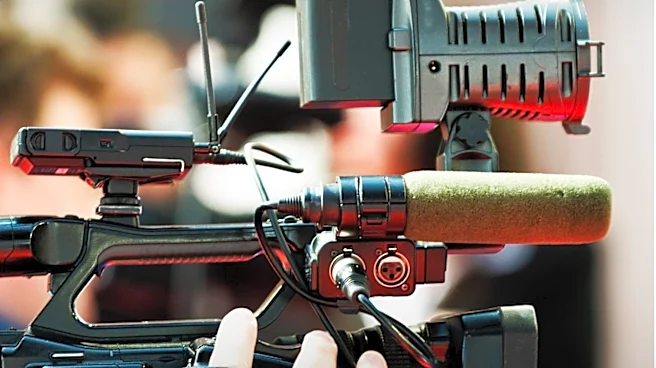
The U.S. Court of Appeals for the 2nd Circuit has issued a ruling affirming the First Amendment right to film police in public, specifically from a public sidewalk outside a police station. This decision stems from a lawsuit filed by Keith Massimino,
who was arrested in 2018 for filming the Waterbury, Connecticut police department. While the court recognized Massimino's constitutional right to record law enforcement, it also granted immunity to the officers involved in his arrest. The court reasoned that this right was not 'clearly established' at the time of the incident, a key factor in qualified immunity doctrine. Additionally, the appellate court found that Massimino's actions and refusal to provide identification gave officers reasonable suspicion and probable cause for his arrest, thereby voiding his Fourth Amendment claims. This ruling sets a binding precedent for Connecticut, New York, and Vermont, making the 2nd Circuit the ninth federal circuit to acknowledge this right.
Why It's Important?
This ruling is significant for civil liberties and police accountability across Connecticut, New York, and Vermont. By explicitly recognizing the First Amendment right to record law enforcement in public, the 2nd Circuit strengthens the ability of citizens to monitor police actions and potentially hold them accountable. This decision aligns the 2nd Circuit with a growing consensus among federal appellate courts, reinforcing a nationwide understanding of this constitutional right. However, the simultaneous granting of qualified immunity to the arresting officers highlights a persistent challenge in achieving full accountability. While the right to film is now clearer, officers may still be shielded from civil suits for past actions if the right was not 'clearly established' at the time. This creates a complex legal landscape where the principle of oversight is affirmed, but individual redress for past violations remains difficult, impacting public trust and the effectiveness of citizen oversight.
What's Next?
The 2nd Circuit's ruling puts law enforcement officers in Connecticut, New York, and Vermont on notice that future arrests for filming in public, under similar circumstances, may not be protected by qualified immunity. This could lead to a decrease in such arrests and a greater respect for citizens' First Amendment rights by police departments in these states. Civil liberties organizations, such as the American Civil Liberties Union of Connecticut (ACLU-CT), will likely use this precedent to advocate for stronger police accountability measures and to educate the public on their rights. However, the ongoing debate surrounding qualified immunity, as highlighted by organizations like the Cato Institute, suggests that efforts to reform this doctrine will continue. This ruling may also encourage more 'First Amendment auditing' activities, as individuals test the boundaries of this newly affirmed right and police compliance with it.
Beyond the Headlines
The ruling underscores the tension between individual constitutional rights and the legal protections afforded to law enforcement officers through qualified immunity. While the court's decision is a victory for free speech and transparency, the immunity granted to the officers in Massimino's case reveals a systemic hurdle in achieving full justice for those whose rights are violated. This dynamic can erode public confidence in the legal system and perpetuate a sense of impunity among some officers. The case also highlights the role of 'First Amendment auditors' in pushing legal boundaries and forcing courts to clarify constitutional rights. Their actions, though sometimes controversial, contribute to the evolution of legal precedent regarding public oversight of government functions. The broader implication is a continued societal discussion on how to balance effective law enforcement with robust protection of civil liberties, particularly in the age of ubiquitous recording devices.