





What's Happening?
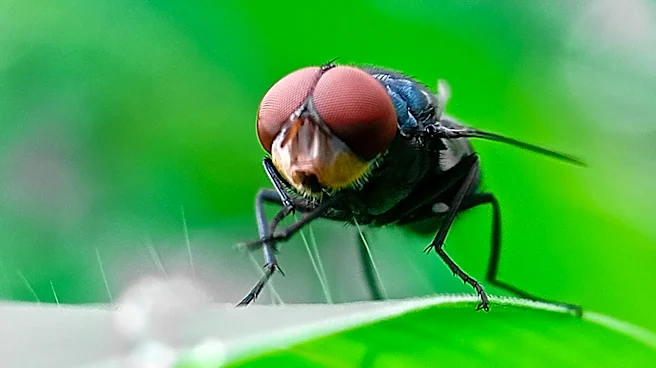
Congressman David Valadao (CA-22) and Congresswoman Andrea Salinas (OR-06) have reintroduced the Spotted Wing Abatement Trust (SWAT) Act, a bipartisan bill aimed at combating the spread of the spotted wing drosophila (SWD), an invasive pest that poses
a significant threat to stone fruit producers in the Central Valley and across the western United States. The legislation seeks to enhance the U.S. Department of Agriculture's (USDA) efforts to contain the pest and advance research into effective control and management strategies. The SWD, native to East Asia, has been responsible for over $700 million in annual economic losses in the U.S. since its detection in 2008. The bill proposes a $6.5 million allocation to the USDA's Animal and Plant Health Inspection Service (APHIS) to support these initiatives.
Why It's Important?
The reintroduction of the SWAT Act is crucial for the agricultural sector, particularly for stone fruit producers who face significant economic losses due to the SWD. The pest's rapid spread and the zero-tolerance policy of fruit buyers for SWD larvae mean that even a single detection can lead to entire shipments being rejected, increasing costs for growers. By investing in research and innovative pest management strategies, the SWAT Act aims to protect the livelihoods of farmers and maintain the supply of high-quality fruits in the market. This legislation not only supports the agricultural economy but also helps preserve jobs and communities dependent on this industry.
What's Next?
The SWAT Act will now proceed through the legislative process, with companion legislation already reintroduced in the Senate by Senators Gary Peters, Susan Collins, Jon Ossoff, and Jeff Merkley. If passed, the bill will establish a dedicated fund within the USDA to support ongoing research and management efforts. Stakeholders, including farmers and agricultural organizations, are likely to advocate for the bill's passage, emphasizing its importance in safeguarding the agricultural sector from invasive pests.