







What's Happening?
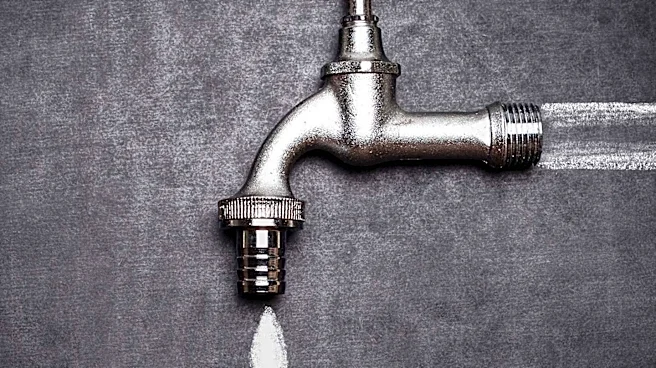
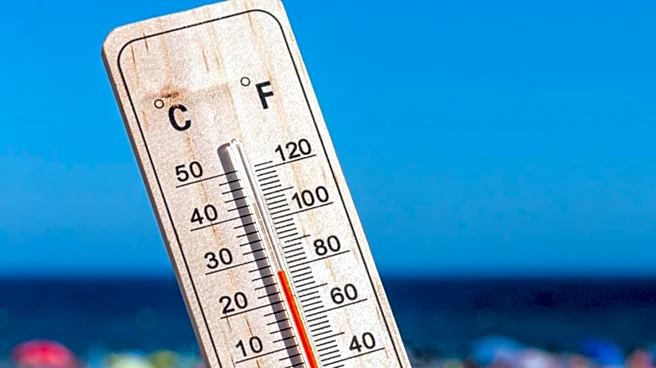
The UK is launching its largest-ever campaign to reduce water usage, following record temperatures linked to climate change. The £75 million 'Let's Save Water' campaign aims to cut daily water use by 28 liters per person. It is a collaborative effort
involving water companies, the Environment Agency, and other stakeholders. The campaign seeks to change public attitudes towards water conservation, emphasizing the importance of treating water as a precious resource. Behavioral psychologists are advising the campaign to effectively alter consumption habits.
Why It's Important?
This initiative addresses the urgent need for water conservation in the face of climate change and increasing demand. With water shortages predicted to reach 5 billion liters a day by 2055, the campaign aims to mitigate future crises by encouraging sustainable water use. The effort highlights the role of public behavior in resource management and the necessity for collective action. It also underscores the challenges faced by water companies, which are under scrutiny for leaks and infrastructure issues, emphasizing the need for industry accountability.
What's Next?
The campaign will roll out over four years, with water companies funding the initiative. It will focus on public education and practical measures to reduce water use, such as installing water-efficient appliances. The success of the campaign will depend on public engagement and the ability of water companies to demonstrate improvements in infrastructure and leak management. The initiative may also prompt further regulatory actions and investments in water conservation technologies.
Beyond the Headlines
The campaign reflects broader environmental and societal challenges, including the need for sustainable resource management and the impact of climate change on everyday life. It raises questions about the balance between individual responsibility and corporate accountability in addressing environmental issues. The initiative could set a precedent for similar campaigns in other regions facing water scarcity, highlighting the global nature of resource management challenges.