




What's Happening?
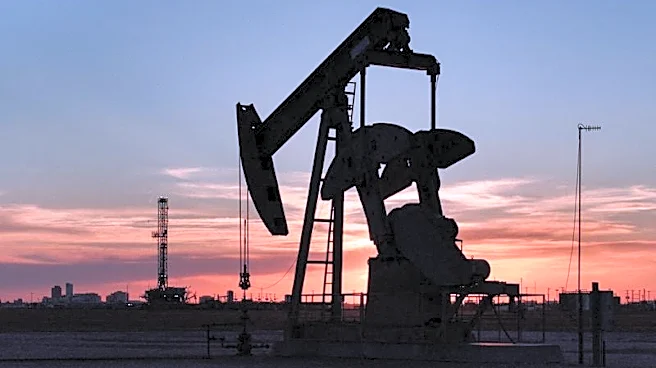
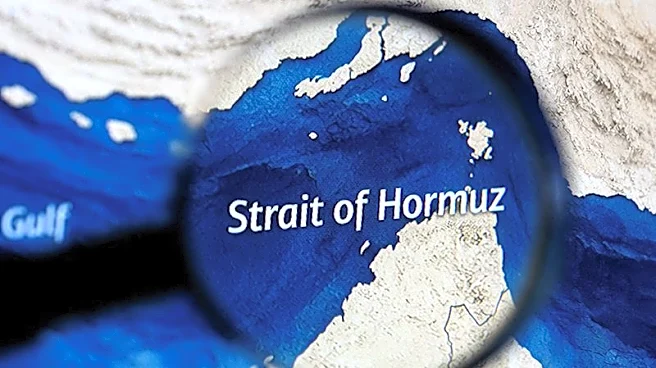
The ongoing conflict involving Iran has led to a significant energy crisis, with the near-closure of the Strait of Hormuz removing millions of barrels of crude oil and liquefied natural gas from global markets daily. This has resulted in severe economic
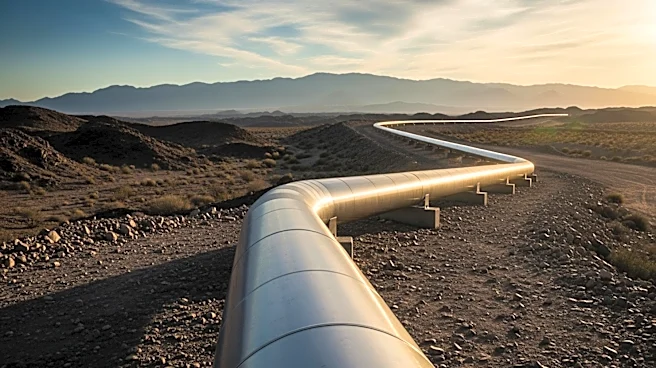
impacts, surpassing previous crises like the Arab oil embargo of 1973. The crisis highlights the vulnerability of global energy supplies to geopolitical tensions. The United States is being called upon to spearhead an international effort to build new infrastructure that bypasses the Strait of Hormuz, ensuring a more resilient global energy supply. This would involve expanding existing pipelines and constructing new corridors to transport both crude oil and refined products, which are currently in short supply.
Why It's Important?
The energy crisis underscores the critical need for infrastructure that can withstand geopolitical disruptions. The U.S. has a strategic interest in leading these efforts to prevent future crises and maintain global energy stability. By investing in infrastructure that bypasses the Strait of Hormuz, the U.S. can help secure energy supplies for itself and its allies, reducing reliance on vulnerable chokepoints. This initiative could also prevent other global powers, such as China, from filling the leadership void in energy infrastructure development. The situation presents an opportunity for the U.S. to reinforce its role in global energy security and economic stability.
What's Next?
The U.S. is expected to engage in diplomatic efforts to bring together Gulf States, energy-consuming nations, and financial institutions to fund and build the necessary infrastructure. This would involve expanding existing pipelines in Saudi Arabia and the UAE, as well as developing new routes through Iraq and Kuwait. The success of these efforts will depend on international cooperation and the ability to resolve political differences that have previously hindered progress. The U.S. may also leverage its International Development Finance Corporation to anchor a broader coalition for these investments.
Beyond the Headlines
The push for new energy infrastructure raises environmental concerns, as some argue it could slow the transition to renewable energy. However, the current crisis demonstrates that fossil fuels remain a significant part of the global energy mix. Balancing the need for immediate energy security with long-term sustainability goals will be a key challenge. The situation also highlights the interconnectedness of global energy markets and the importance of strategic foresight in infrastructure planning.