






What's Happening?
The European Union has implemented a biometric Entry/Exit System (EES) across the Schengen Area, replacing manual passport stamps with face and fingerprint scans. This system aims to streamline border crossings for non-EU nationals on short stays. However,
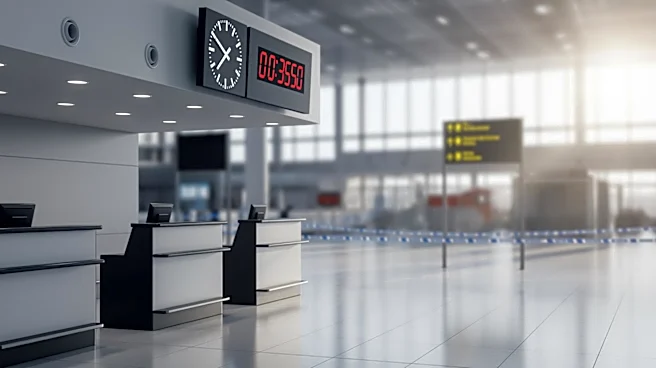
initial reports indicate significant delays, with some travelers experiencing waits of up to four hours. A survey by the World Travel & Tourism Council (WTTC) suggests that if these delays persist, up to 41 million potential visitors from key markets, including the U.S., could be deterred, potentially resulting in a loss of $45.4 billion in visitor spending. Despite these challenges, 65% of surveyed travelers support the modernization of border crossings, emphasizing the need for improved communication and digital pre-registration tools.
Why It's Important?
The implementation of the EES is crucial for enhancing security and efficiency at European borders. However, the initial delays pose a significant risk to the tourism industry, particularly affecting travelers from the U.S., UK, Canada, and Australia. The potential loss of 41 million visitors and $45.4 billion in spending could have a substantial economic impact on European destinations. The situation underscores the importance of effective queue management and operational readiness to maintain a positive visitor experience. The findings highlight the need for better communication and technological solutions to ensure the system's success and minimize disruptions.
What's Next?
To address the challenges posed by the EES, the WTTC recommends several actions, including the adoption of digital pre-registration tools and a coordinated communication campaign to inform travelers about the new system. European countries are urged to ensure operational readiness at border crossing points, with fully functioning equipment and sufficient staffing levels. These measures aim to reduce friction and deliver a seamless experience for travelers, ultimately supporting the successful implementation of the EES.