



What's Happening?
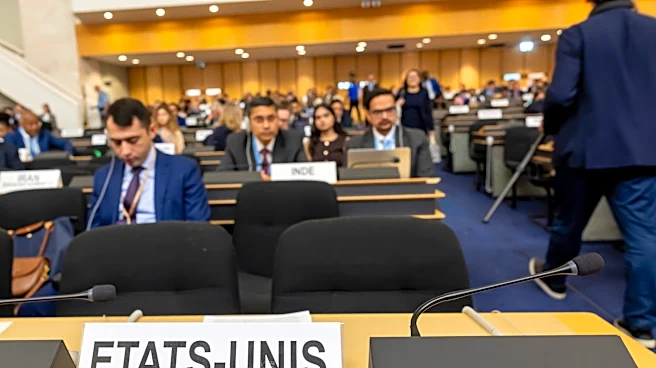
Moldova is set to develop a comprehensive roadmap to implement recommendations from the UN Committee on the Elimination of Discrimination against Women (CEDAW). This initiative follows the review of Moldova’s seventh periodic report by the CEDAW Committee,
which acknowledged the country's progress in promoting gender equality. Noteworthy achievements include the development of legislation on equal opportunities, measures to prevent workplace violence and harassment, and efforts to combat violence against women. The Committee also commended Moldova for strengthening its institutional framework, adopting national policies, and ratifying relevant international instruments. Despite these advancements, the CEDAW Committee has urged Moldova to continue its efforts in preventing discrimination against women and girls across various sectors, including education, healthcare, employment, social protection, justice administration, and decision-making. Moldova is required to provide updates on its progress regarding four specific recommendations within two years.
Why It's Important?
This development is important as it signifies Moldova's commitment to aligning its national reforms with international human rights standards, particularly those related to gender equality and non-discrimination. The creation of a roadmap demonstrates a structured approach to addressing systemic issues that affect women and girls, which can serve as a model for other nations. For the U.S., this highlights the global interconnectedness of human rights efforts and the ongoing international dialogue on gender equality. While the U.S. has its own domestic challenges and policies regarding women's rights, the experiences and strategies of countries like Moldova, guided by UN recommendations, contribute to a broader understanding of effective practices. The emphasis on inter-agency cooperation and expert support in Moldova's plan underscores that comprehensive change requires a collaborative effort from various governmental and societal stakeholders, a principle that is equally relevant for addressing gender disparities within the U.S. context.
What's Next?
Moldova will proceed with developing a detailed roadmap based on specific actions and indicators proposed by representatives from participating institutions. This roadmap is designed to ensure coordinated implementation of measures and effective tracking of results. Felicia Bechtold, State Secretary at the Ministry, emphasized that successful implementation requires inter-agency cooperation, expert support, and specific commitments, as no single institution can tackle these challenges alone. The National Council’s commission members have stressed the need to transition from legislative and institutional changes to practical implementation, prioritizing the strengthening of state institutions' capacity, coordinating public policy, and evaluating outcomes. Moldova is mandated to provide information on the measures taken and progress achieved regarding four of the recommendations within two years, indicating a clear timeline for accountability and reporting.
Beyond the Headlines
The initiative in Moldova to create a roadmap for gender equality, guided by UN recommendations, carries deeper implications beyond immediate policy changes. It reflects a global shift towards recognizing gender equality not merely as a social ideal but as a fundamental component of sustainable development and human rights. This structured approach, emphasizing inter-agency cooperation and measurable outcomes, highlights a growing international consensus on the necessity of comprehensive, multi-sectoral strategies to combat discrimination. For the U.S., this development underscores the ongoing relevance of international frameworks and the potential for cross-national learning in addressing complex societal issues. It also implicitly challenges the notion that gender equality can be achieved through isolated efforts, advocating instead for integrated policies that permeate all levels of governance and society. The focus on practical implementation and outcome evaluation suggests a move towards greater accountability in human rights commitments, setting a precedent for how nations can translate international recommendations into tangible improvements in the lives of women and girls.