






What's Happening?
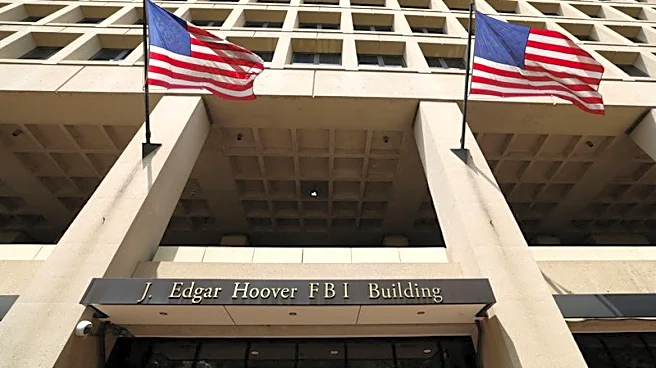
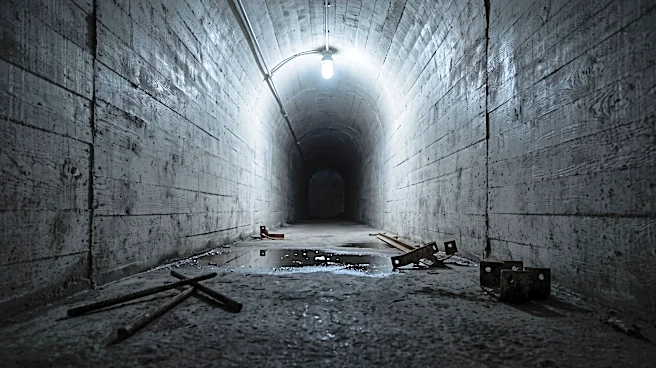
The Federal Bureau of Investigation (FBI) undertook a clandestine operation, codenamed 'Operation Monopoly,' starting in 1977, to tunnel beneath the Soviet Embassy in Washington, D.C.'s Glover Park neighborhood. The project, which reportedly cost hundreds
of millions of dollars—three times the cost of the entire Soviet compound—aimed to tap into Soviet telephone cables and gather intelligence using National Security Agency (NSA) technology. However, the operation was plagued with numerous problems, including water leaks, methane gas pockets, and uncertainty about where the tunnel would emerge beneath the embassy. The FBI's efforts were ultimately compromised when counterintelligence agent Robert Hanssen, who was a KGB informant, disclosed the tunnel's existence to his Soviet handlers around 1985. This betrayal rendered the intelligence-gathering efforts largely ineffective, as the Soviets and later the Russians were able to deploy countermeasures. The American public only learned about 'Operation Monopoly' after Hanssen's arrest in February 2001.
Why It's Important?
This revelation highlights a significant intelligence failure during the Cold War, demonstrating the immense resources expended on espionage activities that yielded little valuable information due to internal compromise. The incident underscores the critical vulnerability of intelligence operations to insider threats, as Robert Hanssen's betrayal directly undermined a massive, long-term FBI project. The financial cost of 'Operation Monopoly' also raises questions about accountability and oversight within intelligence agencies, particularly when projects consume vast sums of taxpayer money without achieving their objectives. Furthermore, the story illustrates the intense, often covert, nature of Cold War espionage between the U.S. and the Soviet Union, and the lengths to which both sides went to gain an advantage. The public disclosure of such operations, even decades later, can impact public trust in government agencies and influence future intelligence strategies.
What's Next?
While 'Operation Monopoly' concluded with the FBI sealing the tunnel entrance with cement after its futility became apparent, the legacy of this intelligence failure continues to inform counterintelligence efforts. The lessons learned from Hanssen's betrayal and the compromised tunnel likely led to enhanced security protocols and vetting processes within U.S. intelligence agencies to prevent similar breaches. The historical account serves as a cautionary tale for current and future intelligence operations, emphasizing the need for robust internal security and adaptive strategies against sophisticated adversaries. The incident also remains a point of interest for historians and the public, contributing to the broader understanding of Cold War espionage tactics and their effectiveness.
Beyond the Headlines
The 'Operation Monopoly' saga reveals deeper implications regarding the psychological and ethical dimensions of espionage. The FBI's determination to proceed with the tunnel despite engineering challenges and the eventual compromise by Hanssen highlights the intense pressure and secrecy surrounding Cold War intelligence. The narrative also touches upon the 'tit-for-tat' nature of espionage, as U.S. officials acknowledged that the Soviets had also bugged the U.S. embassy in Moscow. This mutual surveillance created a complex web of deception and counter-deception, where trust was nonexistent and every action was met with suspicion. The story also raises questions about the moral boundaries of intelligence gathering, particularly when operations involve extensive covert intrusions into sovereign territory. The public's reaction to such revelations often oscillates between fascination with spycraft and concern over government overreach and waste, reflecting the inherent tension in democratic societies regarding national security operations.