




What's Happening?
The Yurok Tribe is spearheading a significant ecological restoration project following the removal of four hydroelectric dams from the Klamath River, which flows through southern Oregon and northern California. This initiative, recognized as the largest
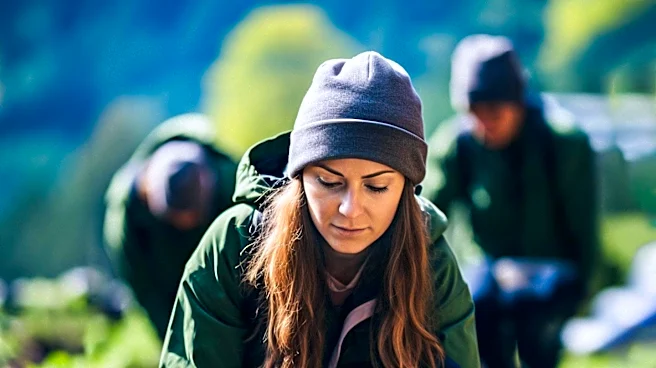
dam removal in U.S. history, has reopened over 400 miles of waterways that were previously blocked, impacting fish migration and water quality. The tribe, in collaboration with scientists and restoration crews, is planting millions of native seeds and thousands of trees and shrubs to restore the river's ecosystem. This effort aims to stabilize the exposed land, prevent erosion, and create suitable conditions for wildlife to return. The project is a blend of traditional ecological knowledge and modern conservation science, aiming to bring back the natural balance of the Klamath River watershed.
Why It's Important?
The restoration of the Klamath River is crucial for reviving its ecosystem, which was severely impacted by the dams. The project not only aims to restore the natural habitat for salmon and other migratory fish but also to improve the overall health of the river's ecosystem. The return of these fish species is vital for the local biodiversity and the cultural heritage of the Yurok Tribe. Additionally, the project serves as a model for large-scale ecosystem restoration, demonstrating the importance of combining indigenous knowledge with scientific approaches. The success of this initiative could influence future conservation efforts across the U.S., highlighting the role of community involvement and long-term ecological care.
What's Next?
The ongoing restoration efforts will continue to focus on monitoring vegetation, replacing plants that fail to establish, and tracking the recovery of fish and wildlife populations. The Yurok Tribe and their partners will maintain their efforts to ensure the landscape remains healthy and sustainable for future generations. This includes continuous scientific monitoring and community engagement to address any emerging challenges. The project underscores the importance of sustained efforts in ecological restoration, beyond the initial removal of barriers, to achieve long-term environmental recovery.