







What's Happening?
Big Rivers Electric Corporation, a utility serving Western Kentucky, has submitted a new integrated resource plan to the Kentucky Public Service Commission. The plan outlines the utility's intention to continue operating its existing fossil fuel-fired
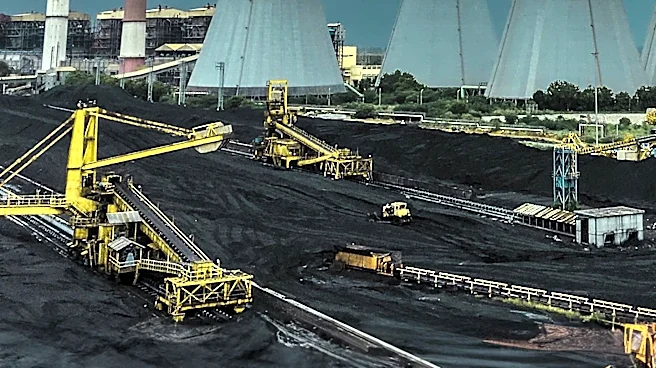
power plants, including the 40-year-old coal-fired D.B. Wilson Generating Station and natural gas-fired turbines at the Robert D. Green Generating Station, beyond 2050. The utility argues that investing in the reliability and improvement of its current dispatchable fleet is more cost-effective and provides stronger reliability and resilience compared to retiring and replacing these plants. While the utility currently utilizes solar and hydropower through contracts, it stated it would only add additional renewable energy sources if economically justified. This decision comes amidst a shifting federal regulatory landscape, where the Biden administration had sought to reduce pollution from such plants, including greenhouse gas emissions, while the Trump administration has moved to reverse these rules.
Why It's Important?
This development is significant for the U.S. energy sector, particularly in states like Kentucky that have historically relied heavily on fossil fuels. Big Rivers Electric Corporation's plan highlights the ongoing tension between environmental regulations aimed at reducing carbon emissions and the economic and reliability concerns of utility providers. The utility's emphasis on cost-effectiveness and grid stability underscores the challenges of transitioning to a fully renewable energy system. The fluctuating regulatory environment, influenced by different presidential administrations, creates uncertainty for long-term energy planning and investment. This situation could impact energy policy discussions at both state and federal levels, potentially influencing future investments in renewable energy infrastructure versus the maintenance of existing fossil fuel assets. Ratepayers in Western Kentucky could also be affected by the long-term operational costs and environmental implications of these decisions.
What's Next?
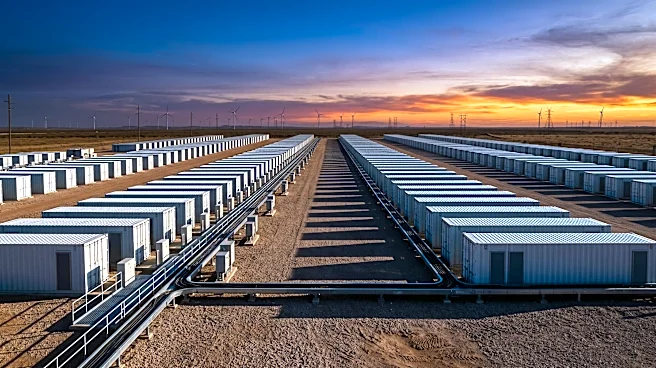
The Kentucky Public Service Commission is expected to analyze and critique Big Rivers Electric Corporation's plan. The utility's spokesperson, Stephanie McCombs, stated that the company does not comment on active cases before the PSC. The commission's decision will be crucial in determining the future energy mix for Western Kentucky. The utility did model a scenario with stringent carbon regulations, which would involve retiring the Wilson plant by 2032 and investing in wind, natural gas, and battery storage. However, the current plan prioritizes extending the life of existing fossil fuel plants. The ongoing litigation surrounding the Trump administration's repeals of greenhouse gas emission rules further contributes to regulatory uncertainty, making long-term planning complex for utilities. Additionally, the utility noted significant interest from data center developers seeking power, which could influence future energy demand and infrastructure needs.
Beyond the Headlines
The decision by Big Rivers Electric Corporation reflects a broader national debate about energy independence, economic stability, and environmental responsibility. The utility's argument for preserving existing fossil fuel infrastructure due to cost and reliability concerns highlights the practical difficulties of a rapid energy transition. This situation also brings to light the influence of state-level legislation, which, according to the Kentucky Resources Council, can limit utilities' ability to pursue the least-cost options for ratepayers while meeting reliability requirements. The long-term implications extend to public health due to continued emissions, and the economic competitiveness of the region as energy costs and environmental standards evolve. The interest from data centers also points to increasing electricity demand, which will further pressure utilities to balance various energy sources and environmental goals.