
What's Happening?
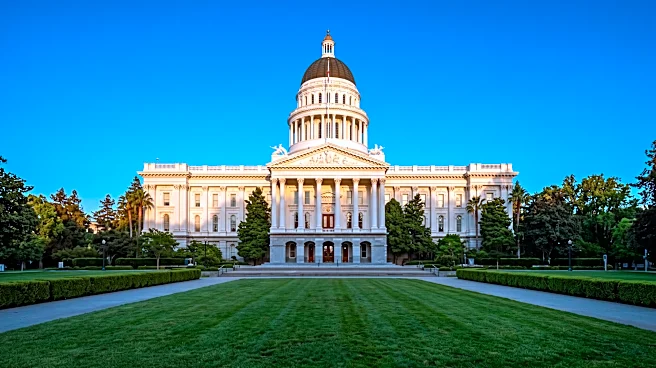
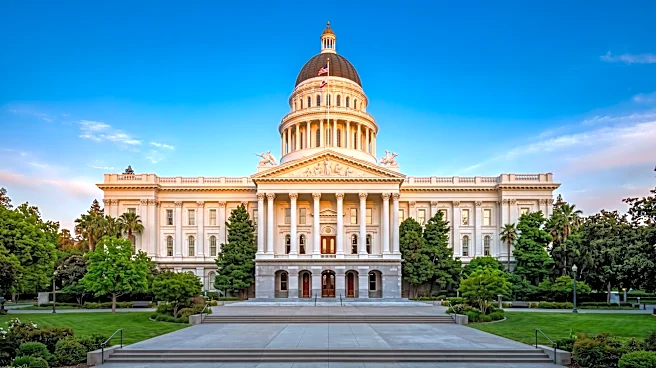
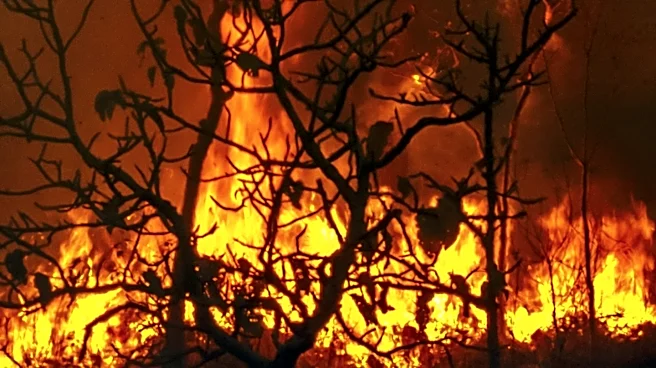
California state lawmakers have passed two bills aimed at addressing industrial accidents, prompted by a massive fire at a cold storage facility in Los Angeles' Boyle Heights neighborhood in June. Assembly Bill 817, introduced by Assemblymember Mark González,
would require owners or operators of cold storage facilities to establish and maintain a contingency fund to cover costs for air purifiers, masks, and other health essentials for neighbors in the event of an accident. Senate Bill 716, by Sen. María Elena Durazo, would significantly raise the fines local agencies can levy against companies posing health and safety threats, increasing them to up to $50,000 per violation from current limits of a few hundred or thousand dollars. Both bills initially apply to Los Angeles County and are set to expand statewide by July 1, 2028. The bills now await Governor Gavin Newsom's consideration.
Why It's Important?
These bills are important because they represent a legislative response to protect communities from the environmental and health impacts of industrial accidents, particularly in densely populated areas. The Boyle Heights fire, which caused noxious smoke and attracted rats and flies due to rotting food, highlighted the inadequacy of existing regulations and penalties. By increasing fines, Senate Bill 716 aims to create a stronger deterrent against negligence and ensure that the cost of non-compliance is substantial enough to incentivize adherence to health and safety standards. Assembly Bill 817's requirement for contingency funds directly addresses the immediate needs of affected residents, shifting some of the financial burden from the community to the industrial operators responsible for potential hazards. These measures could set a precedent for other states facing similar challenges with industrial safety and environmental justice.
What's Next?
The immediate next step is for Governor Gavin Newsom to consider and potentially sign these bills into law. If approved, Assembly Bill 817 will initially apply to Boyle Heights, with a statewide expansion planned for July 1, 2028. Similarly, Senate Bill 716 will first apply to Los Angeles County before expanding statewide on the same date. The implementation of these laws will likely lead to increased compliance costs for industrial operators, particularly those with cold storage facilities, as they will need to establish contingency funds and face higher potential fines. Business groups, including those representing agriculture, have opposed the bills due to concerns about financial ramifications, suggesting that there may be ongoing discussions and adjustments as the laws are put into practice. The long-term impact will be a shift towards greater accountability for industrial safety and environmental protection in California.
Beyond the Headlines
The passage of these bills reflects a growing legislative trend to hold industrial operators more accountable for their environmental and social impacts, especially in communities disproportionately affected by pollution and industrial hazards. The Boyle Heights incident underscores the concept of environmental justice, where low-income and minority communities often bear the brunt of industrial activities. By creating contingency funds and increasing fines, the legislation aims to internalize the external costs of industrial accidents, making businesses more responsible for the potential harm they might cause. This could lead to a broader re-evaluation of industrial zoning, safety regulations, and emergency preparedness in urban areas. The debate also highlights the tension between economic development and community well-being, with lawmakers seeking to balance business interests with the health and safety of residents.