





What's Happening?
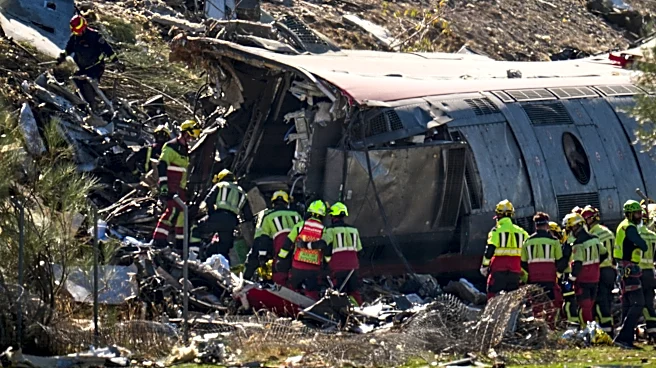
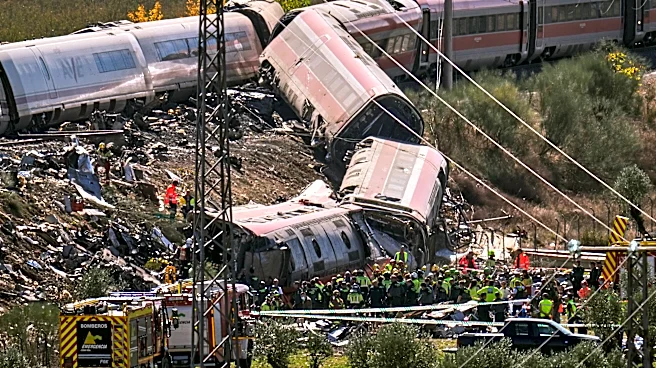
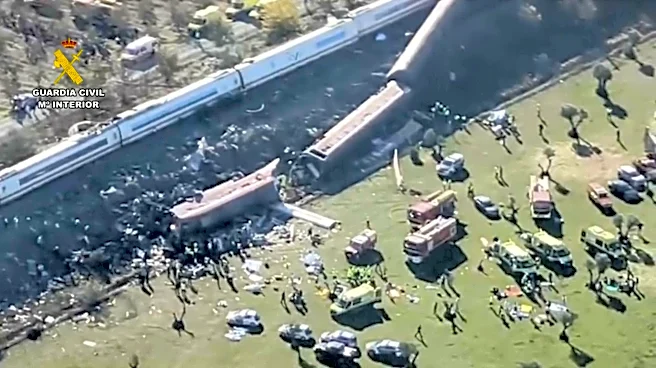
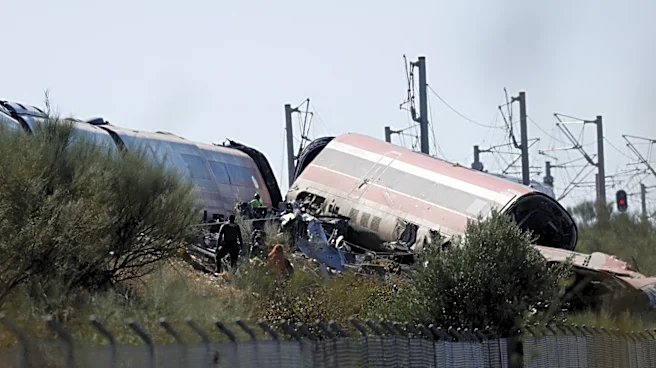
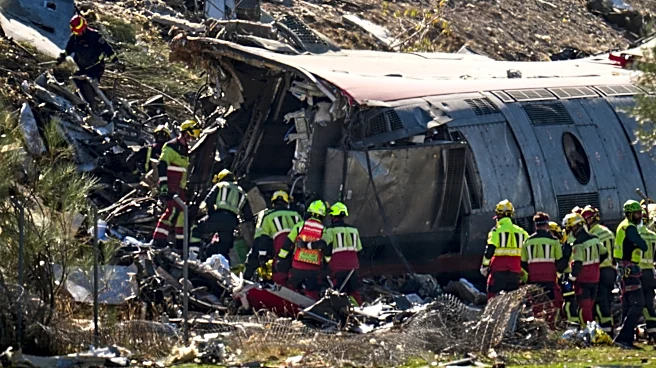
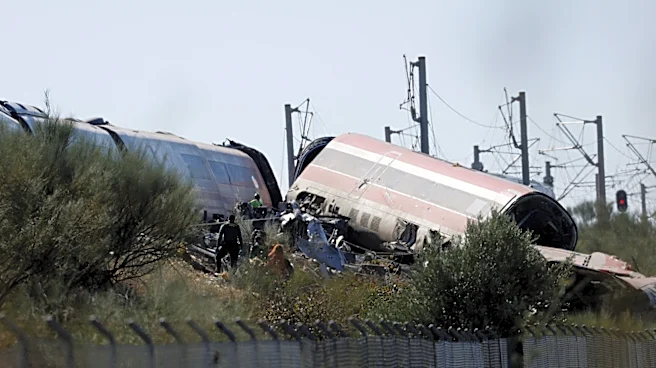
On October 29, 2026, President Xi Jinping sent a message of condolence to King Felipe VI of Spain following a tragic high-speed train rear-end collision and derailment in Toledo Province, Spain. President Xi expressed his shock upon learning of the incident,
which resulted in heavy casualties. On behalf of the Chinese government and people, he conveyed deep condolences for the victims and extended sincere sympathies to the bereaved families. He also wished a speedy recovery to those injured in the accident. Concurrently, Premier Li Qiang of the State Council sent a message of condolence to Spanish Prime Minister Pedro Sánchez, further demonstrating China's solidarity with Spain during this difficult time.
Why It's Important?
This message of condolence from President Xi Jinping to King Felipe VI of Spain is important as it signifies China's diplomatic engagement and humanitarian concern on the international stage. Such gestures of sympathy following tragic events contribute to fostering goodwill and strengthening bilateral relations between nations. It underscores the global interconnectedness where countries express solidarity and support for one another in times of crisis. For Spain, receiving condolences from a major global power like China can be a source of comfort and a reaffirmation of international support. This diplomatic action also reflects China's role as a responsible global actor, willing to extend humanitarian sentiments beyond its borders, which can positively influence its international image and diplomatic standing.
What's Next?
While the immediate focus is on the aftermath of the train collision in Spain, the exchange of condolences between President Xi Jinping and King Felipe VI, as well as between Premier Li Qiang and Prime Minister Pedro Sánchez, is a standard diplomatic practice that reinforces existing bilateral ties. No specific follow-up actions or policy changes are directly indicated by this event. However, such expressions of solidarity can lay groundwork for continued positive diplomatic relations and potential future cooperation in areas like disaster response or railway safety, should both nations choose to pursue them. The primary impact of this event is in the realm of international diplomacy and humanitarian gestures, rather than immediate policy shifts or economic implications.
Beyond the Headlines
Beyond the immediate expression of sympathy, President Xi Jinping's message of condolence highlights the broader role of humanitarian diplomacy in international relations. In an increasingly interconnected world, natural disasters or tragic accidents in one country often elicit responses from leaders worldwide, serving to reinforce a sense of global community. These gestures, while seemingly symbolic, can contribute to the soft power of a nation, demonstrating its capacity for empathy and its commitment to international norms of solidarity. For China, such actions are part of a larger strategy to cultivate positive relationships and project an image of a responsible global power. It also subtly underscores the importance of international cooperation in times of crisis, even if the immediate context is one of tragedy rather than policy debate.