







What's Happening?
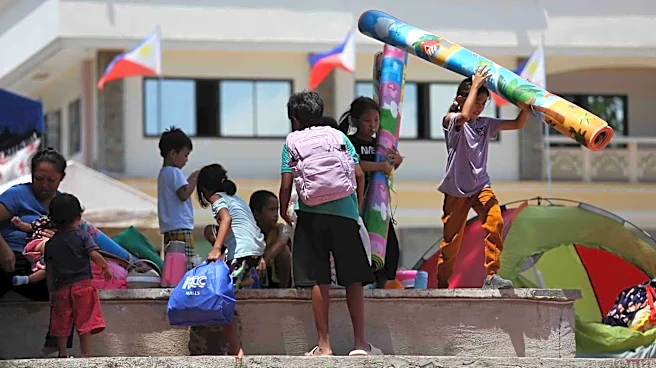
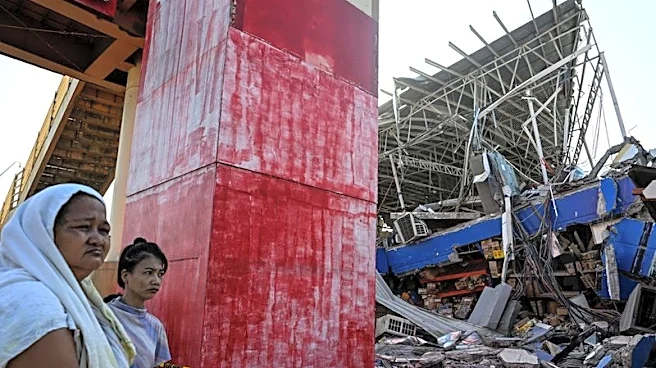
A 7.8-magnitude earthquake struck the southern Philippines, resulting in at least 19 fatalities and over 130 injuries. The quake, which occurred as schools reopened, caused significant damage in regions like General Santos, where infrastructure such as St
Elizabeth Hospital was severely affected. Tsunami warnings were issued but later lifted. The earthquake triggered landslides and building collapses, with over 138 aftershocks recorded. President Ferdinand Marcos Jr. assured that the national government is actively responding to the crisis.
Why It's Important?
This earthquake is significant due to its timing and impact on the local population, particularly students returning to school. The damage to infrastructure and the potential for further aftershocks pose ongoing risks to the affected communities. The disruption to transportation and local economies, especially in a regional hub like General Santos, could have long-term economic implications. The response by the national government and international aid will be crucial in mitigating the disaster's impact and aiding recovery efforts.
What's Next?
Authorities are continuing rescue operations and assessing the full extent of the damage. The death toll may rise as more remote areas are reached. Travel disruptions are expected to persist, with airlines like Philippine Airlines and Cebu Pacific grounding flights to affected areas. The focus will be on restoring essential services and infrastructure while ensuring the safety of residents and travelers. Monitoring of aftershocks and potential further seismic activity will be critical in the coming days.