






What's Happening?
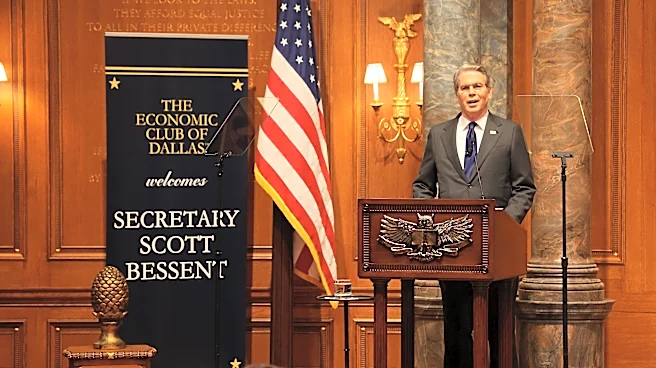
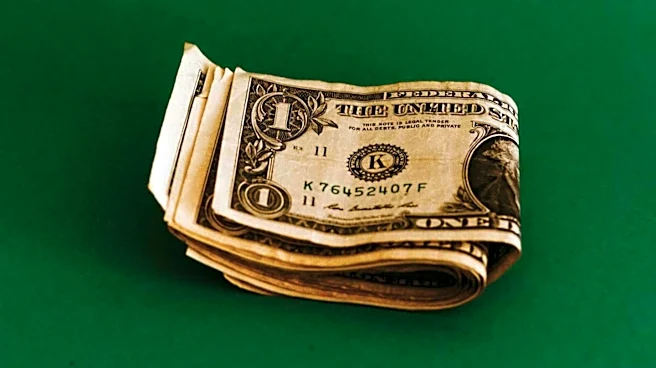
President Donald Trump has posted an image of a $100 bill featuring his signature, marking the first time a sitting president's signature appears on U.S. paper currency. This follows a March announcement by Treasury Secretary Scott Bessent, who stated
the administration's plan to honor the 250th anniversary of the United States by featuring Trump's signature on the bill. Traditionally, the $100 bill has only included the signatures of the Treasury secretary and the treasurer of the United States. U.S. Treasurer Brandon Beach has supported this move, citing Trump's significant impact on the nation's economic revival. Additionally, there are ongoing discussions about introducing a $250 bill featuring Trump's portrait, although this would require legislative changes as current U.S. law only allows deceased individuals to appear on currency.
Why It's Important?
The inclusion of President Trump's signature on U.S. currency is a significant departure from tradition and highlights his administration's efforts to leave a lasting legacy. This move could influence public perception of Trump's presidency, particularly regarding his economic policies. It also raises questions about the politicization of national symbols and the potential implications for future administrations. The proposal for a $250 bill with Trump's portrait could further intensify debates about the criteria for featuring individuals on currency, potentially impacting legislative processes and public opinion.
What's Next?
The Treasury Department is currently inquiring about the printing status of the $100 bills with Trump's signature. Meanwhile, the proposal for a $250 bill featuring Trump's portrait will require congressional approval, which may face challenges given the current political landscape. The outcome of this proposal could set a precedent for future decisions regarding the representation of living individuals on U.S. currency. Stakeholders, including political leaders and the public, may engage in discussions about the appropriateness and implications of such changes.