


What's Happening?
Kenya has announced a call for investors to develop a $62 billion rare earth site at Mrima Hill, a location that has garnered significant international interest, particularly from the United States and China. The announcement was made by Mining Cabinet
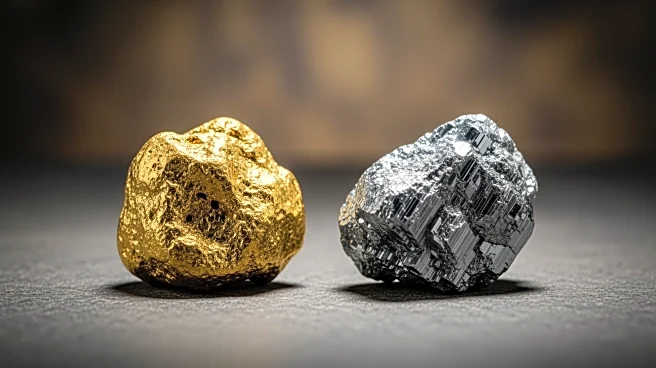
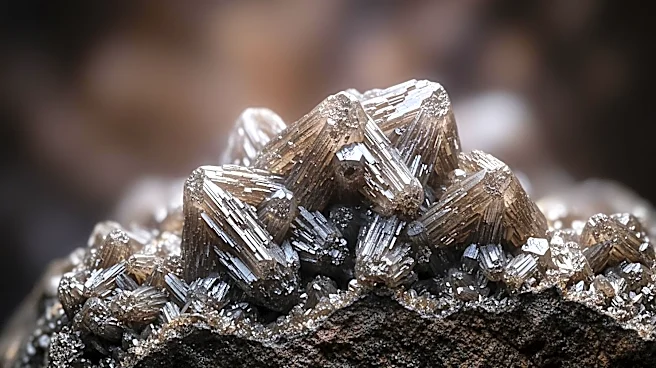
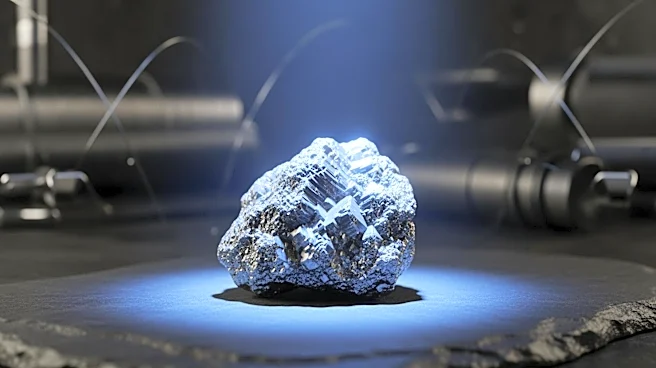
Secretary Ali Hassan Joho through a gazette notice dated March 24. The site is rich in minerals such as niobium and rare earth elements, which are crucial for advanced electronics, clean energy systems, and military technologies. The U.S. and China have shown keen interest in the site as part of a broader geopolitical contest over supply chains. The Kenyan government has identified key minerals at the site following a geological mapping exercise conducted in 2022. However, a full economic viability assessment of the deposits is yet to be completed. The government is emphasizing a value-added approach, requiring investors to engage in local processing and sustainability efforts.
Why It's Important?
The development of the Mrima Hill site is significant as it reflects Kenya's growing appeal as a mining destination, driven by fresh geological data and improved regulatory clarity. The site is part of a broader trend across Africa, where countries are seeking to retain more value from their natural resources by revising mining codes and enforcing local content rules. This move is particularly important in the context of the global energy transition, as critical minerals are in high demand. The involvement of both the U.S. and China highlights the strategic importance of the site in the global supply chain for rare earth elements. The requirement for local processing and community engagement indicates a shift away from traditional extractive models, aiming for sustainable development and greater economic participation.
What's Next?
The tender process for the Mrima Hill site will be conducted under the Mining Act and 2017 regulations. Interested firms must demonstrate technical expertise, financial strength, and a commitment to local processing and sustainability. They are also required to engage with local communities and comply with Kenya's framework on state participation in strategic minerals. The outcome of this tender could set a precedent for future mining projects in Africa, influencing how countries manage their natural resources and engage with international investors. The geopolitical interest from the U.S. and China may also lead to further diplomatic and economic interactions as both countries seek to secure their supply chains for critical minerals.