






What's Happening?
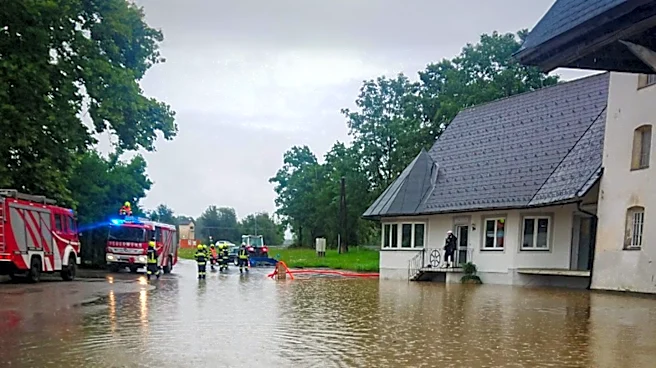
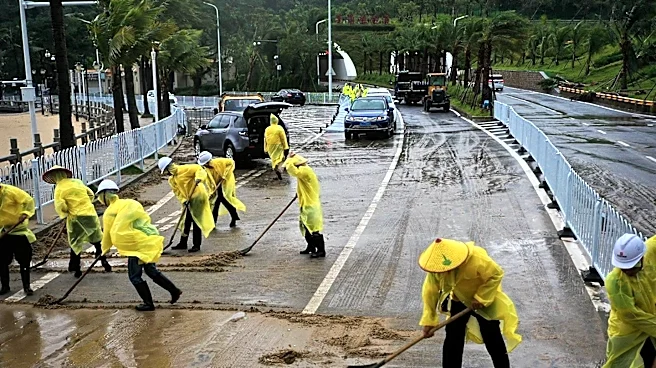
Ecuador has committed more than 200 million U.S. dollars to mitigate the impact of the El Niño climate phenomenon, as the country experiences unprecedented rainfall. President Daniel Noboa announced on Friday that the effects of El Niño began in September,
with the most severe period anticipated between December 2026 and February 2027. The coastal region has already recorded record rainfall, with November's accumulated precipitation reaching 400 percent of the monthly average. In some areas of the Costa, rainfall in less than 72 hours equaled four times the typical amount for the entire month of November. The Ecuadorian government has also sought emergency credit lines from the World Bank to secure additional funding if needed. A national red alert has been in effect since August 29 due to the ongoing heavy rains and the evolving El Niño phenomenon.
Why It's Important?
The significant financial allocation by Ecuador underscores the severe economic and social threat posed by the El Niño phenomenon. Such extreme weather events can lead to widespread flooding, infrastructure damage, agricultural losses, and displacement of communities, all of which have substantial economic repercussions. The request for emergency credit lines from the World Bank highlights the potential for these costs to exceed the initial allocation, indicating a long-term financial strain on the nation. For the U.S., while not directly impacted by Ecuador's rainfall, the broader implications of climate-induced disasters in Latin America can affect regional stability, migration patterns, and supply chains, particularly for agricultural products. The situation also serves as a case study for international climate resilience efforts and disaster preparedness in vulnerable regions.
What's Next?
Ecuador is bracing for the most critical period of El Niño between December 2026 and February 2027, suggesting that the current measures are just the beginning of a prolonged response effort. The government will likely continue to monitor weather patterns closely and implement further emergency protocols as needed. The activation of emergency credit lines from the World Bank indicates that additional financial resources will be deployed to address ongoing and future damages. This could involve further infrastructure repairs, humanitarian aid, and agricultural support programs. International organizations and neighboring countries may also be called upon for assistance as the situation develops, potentially leading to coordinated regional responses to climate-related disasters.
Beyond the Headlines
The ongoing crisis in Ecuador due to El Niño highlights the increasing frequency and intensity of extreme weather events globally, underscoring the urgent need for robust climate adaptation strategies. Beyond the immediate financial and infrastructural damage, such prolonged periods of heavy rainfall can have long-term environmental consequences, including soil erosion, altered ecosystems, and impacts on biodiversity. Socially, communities in affected regions may face increased health risks from waterborne diseases and food insecurity due to crop destruction. The situation also brings to light the disparities in climate resilience between developed and developing nations, emphasizing the need for international cooperation and financial support for countries disproportionately affected by climate change despite contributing less to its causes.