









What's Happening?
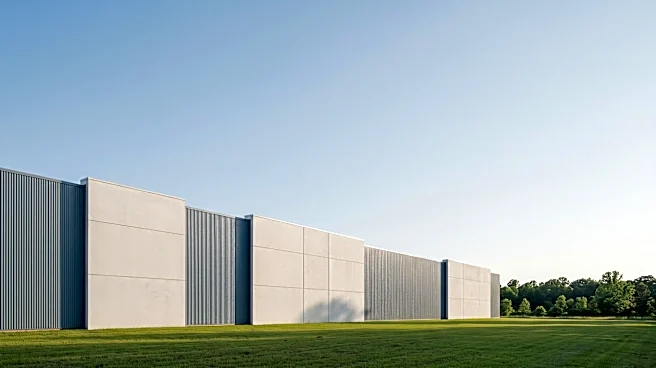
San Jose residents and city council candidates are actively debating the future of data center development within the city. This issue has garnered significant public attention, with residents packing public meetings to voice their concerns. While data centers
promise substantial revenue for municipalities, they also bring considerable demands for water and energy, alongside quality-of-life issues such as noise pollution. San Jose, which already hosts between 25 and 40 data centers, is currently drafting citywide regulations to manage their expansion. These regulations will focus on energy consumption and sourcing, water conservation, recycled water infrastructure, and air quality and noise protocols. The city aims for these standards to be flexible enough to adapt to evolving technologies. The upcoming city council elections will be pivotal, as the winners of three council races will cast crucial votes on these regulations, alongside other pressing issues like housing growth, cost of living, and public safety.
Why It's Important?
The debate over data center expansion in San Jose is critical due to its multifaceted impact on the city's economy, environment, and residents' quality of life. Economically, data centers are projected to generate between $3 million and $7 million per site, offering a potential solution to the city's estimated $50 million budget shortfall. However, this economic benefit is weighed against significant environmental concerns, including massive water and energy demands. Critics, such as Clean Water Action program manager Andria Ventura, highlight the potential for toxic chemicals like PFAS, or 'forever chemicals,' used in alternative coolants, to threaten drinking water sources and air quality. Residents are also concerned about increased utility bills, noise pollution, and emissions from backup generators. The outcome of this debate will determine whether San Jose can balance its financial needs with environmental protection and resident well-being, setting a precedent for other cities facing similar challenges with rapid, AI-driven technological growth.
What's Next?
Proposed rules for data center development may be presented to the San Jose City Council as early as December. However, any initial policies could be updated or revised by the incoming council members elected in the upcoming races for District 9, District 7, and District 5. Candidates like Peter Ortiz have proposed banning nondisclosure agreements with private firms to ensure transparency regarding energy, water, and infrastructure demands. Nora Campos, another candidate, has specified limits, advocating for data centers to be set back from homes, daycares, and schools, and requiring the use of recycled water for cooling. Incumbent Bien Doan emphasizes encouraging responsible development with firm standards, while his opponent Van Le stresses the need for comprehensive impact evaluations. The new council will face consequential decisions regarding AI-driven growth, with a focus on ensuring tech firms cover infrastructure costs and protecting residents from utility rate hikes and environmental degradation.
Beyond the Headlines
The discussion surrounding data centers in San Jose extends beyond immediate economic and environmental concerns, touching upon deeper issues of transparency, public trust, and the long-term implications of technological advancement. San Jose State University engineering professor Ahmed Banafa emphasizes the critical need for transparency, stating that residents should be fully informed about the water and electricity usage of these facilities. The pushback from residents and the varying stances of council candidates highlight a growing tension between fostering technological innovation and safeguarding community health and resources. This situation underscores a broader societal challenge: how to integrate rapidly evolving technologies, such as AI, which have a significant physical footprint, into urban environments without compromising the well-being of the populace. The ethical dimension of corporate accountability, particularly regarding environmental impact and utility costs, is also a central theme, as residents question whether potential tax revenues truly outweigh the long-term costs of environmental degradation and increased living expenses.