
What's Happening?
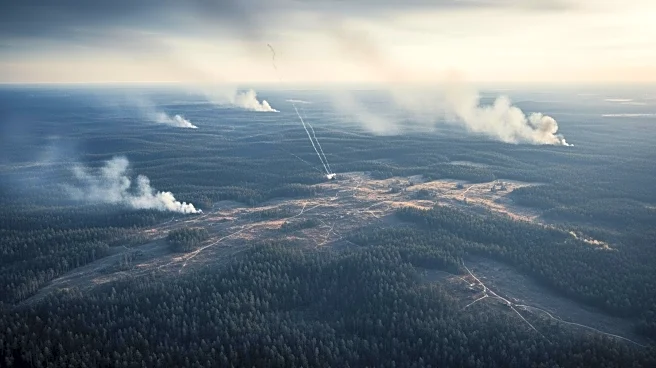
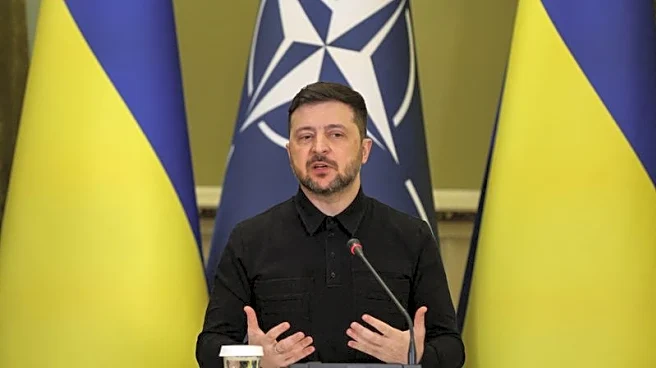
Ukrainian President Volodymyr Zelenskyy has urged the international community to respond to Russia's escalating attacks on Ukrainian cities and infrastructure. Over the past week, Russia has launched more
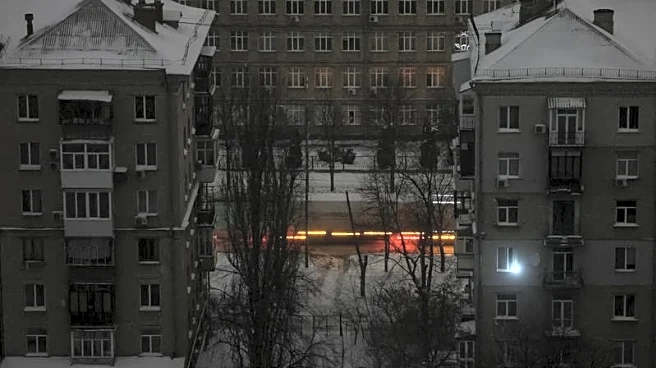
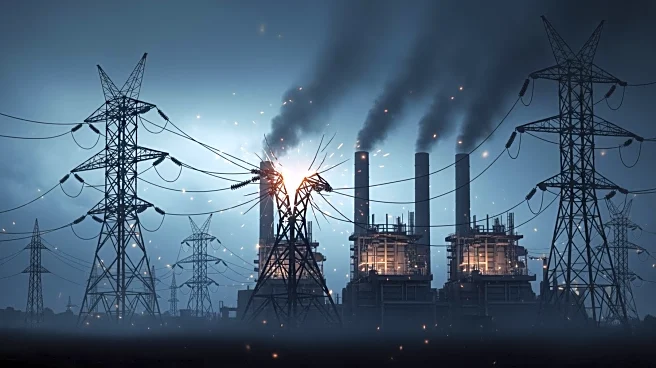
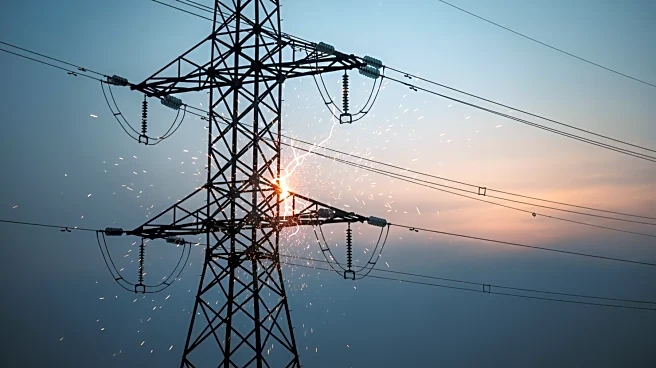
than 3,300 munitions, including drones, guided bombs, and missiles, targeting energy facilities, logistics infrastructure, and residential buildings. The Ukrainian air force reported that 101 drones were launched by Russia on Saturday night, with 69 being intercepted. The attacks have led to significant power outages across Ukraine, exacerbating the country's energy crisis. Zelenskyy emphasized the need for increased military support, including air defense systems and weapons, to counter the aggression. He also announced new sanctions on foreign companies supplying components for Russian drones and missiles.
Why It's Important?
The intensification of Russian attacks poses a significant threat to Ukraine's infrastructure and civilian population, potentially leading to a humanitarian crisis. The ongoing conflict has broader implications for international security and stability, as it challenges the global community's ability to respond effectively to acts of aggression. The situation underscores the importance of international support for Ukraine, both in terms of military aid and diplomatic pressure on Russia. Failure to address the aggression could embolden further hostile actions, destabilizing the region and impacting global geopolitical dynamics. The conflict also highlights the need for a coordinated international response to uphold international law and protect sovereign nations from external threats.
What's Next?
The international community is likely to face increased pressure to provide more substantial support to Ukraine, both militarily and diplomatically. Potential responses could include additional sanctions on Russia, increased military aid to Ukraine, and intensified diplomatic efforts to broker a ceasefire. The situation may also prompt discussions within international organizations, such as the United Nations, to address the conflict and its implications for global security. As the conflict continues, the risk of escalation remains, with potential consequences for regional and global stability.