




What's Happening?
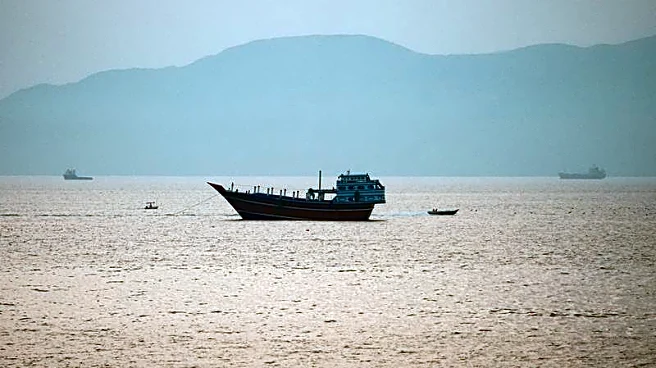
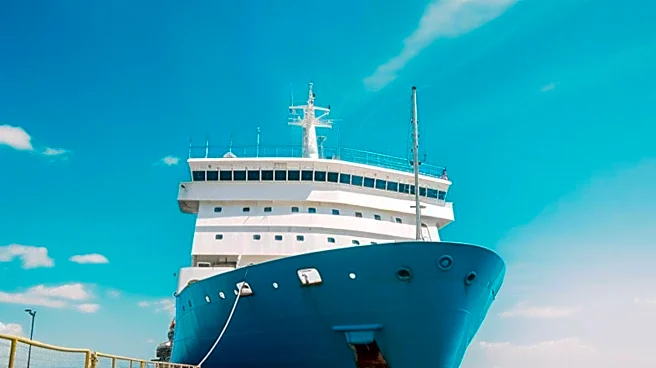
Thousands of ships stranded near the Strait of Hormuz due to ongoing hostilities between the United States and Iran could become breeding grounds for invasive marine species. A study led by the University of Maryland Center for Environmental Science warns
that these vessels, idling for months, are accumulating marine organisms on their hulls. This biofouling could lead to a global spread of invasive species once trade resumes. The study highlights the potential for a 'super-spreader' event, as these organisms can rapidly adapt to new environments, posing ecological and economic threats worldwide.
Why It's Important?
The potential spread of invasive marine species from the stranded ships could have significant ecological and economic impacts. Invasive species can disrupt local ecosystems, outcompete native species, and cause extensive damage to marine infrastructure. The situation underscores the need for effective biofouling management and international cooperation to prevent ecological crises. The shipping industry faces increased pressure to address biosecurity risks, which could lead to higher operational costs and regulatory changes. This event highlights the interconnectedness of global trade and environmental health, emphasizing the importance of sustainable maritime practices.
What's Next?
Efforts to manage biofouling on stranded ships are underway, with divers deployed to clean hulls before resuming operations. The International Maritime Organization advises immediate intervention for ships idling over 30 days. As trade resumes, monitoring and management of high-risk ports will be crucial to prevent the spread of invasive species. The shipping industry may need to adopt stricter biofouling regulations and invest in innovative solutions to mitigate risks. The situation serves as a wake-up call for global maritime stakeholders to prioritize environmental protection alongside economic interests.