
What's Happening?
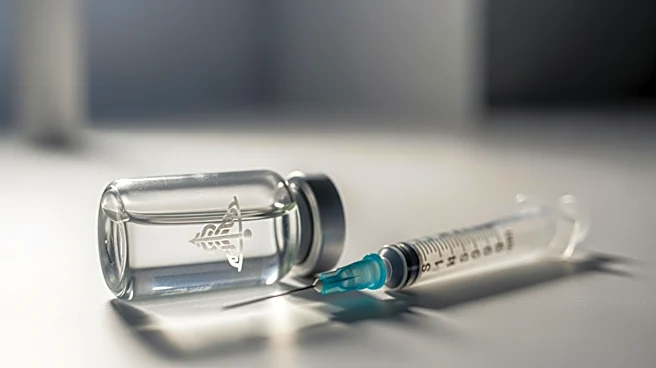
Researchers have isolated four potent antibodies from a vaccinated individual that could lead to new treatments for measles, a highly contagious disease making a comeback in the U.S. Despite the availability
of a highly effective vaccine, declining vaccination rates have led to outbreaks. The antibodies, discovered by scientists at the La Jolla Institute for Immunology, could provide a treatment option for those exposed to the virus, particularly for individuals who cannot be vaccinated. The study, published in the journal Cell Host & Microbe, emphasizes that this approach is not a substitute for vaccination.
Why It's Important?
The resurgence of measles in the U.S. highlights the critical role of vaccination in preventing infectious diseases. The discovery of these antibodies offers a potential new tool in the fight against measles, particularly for vulnerable populations such as immunocompromised individuals and infants. However, the development of antibody treatments is costly and complex, underscoring the importance of maintaining high vaccination rates as the most effective public health strategy. This research also demonstrates the potential of scientific innovation in addressing public health challenges.
What's Next?
Further research and testing will be necessary to determine the safety and efficacy of the antibody treatment in humans. If successful, this approach could be used as a post-exposure therapy, similar to treatments for other viral infections. Public health officials will continue to advocate for vaccination as the primary means of preventing measles outbreaks. The findings may also prompt renewed efforts to increase vaccination coverage and address vaccine hesitancy, ensuring broader protection against measles and other preventable diseases.