






What's Happening?
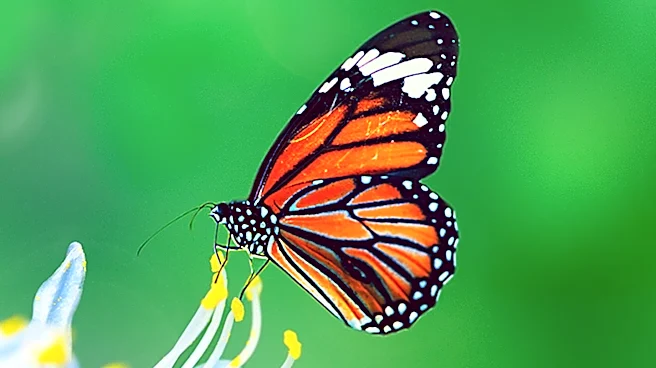
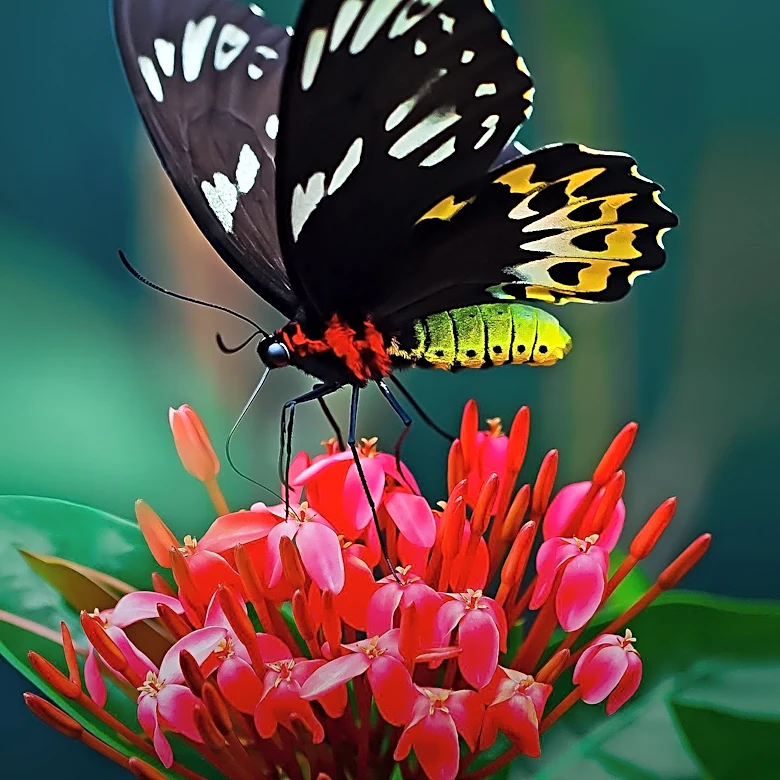
The Heliconius genus of butterflies is known for its unusually long lifespan compared to other butterfly species. These butterflies can live up to 25 times longer than their counterparts, and scientists believe that their diet, which includes pollen,
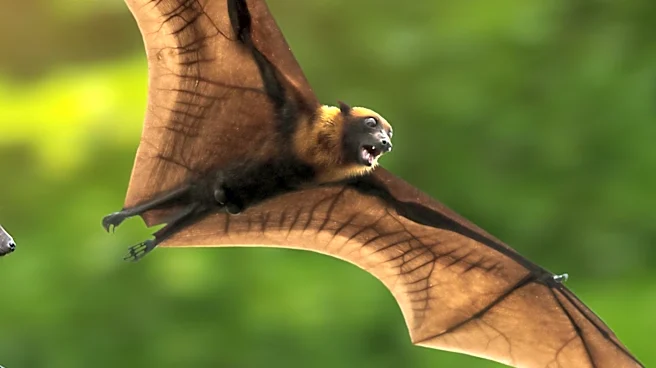
plays a significant role in this longevity. The podcast episode from NPR's Short Wave explores this phenomenon, featuring insights from science writer Katie Wu. Wu discusses how the consumption of pollen might contribute to the extended lifespan of these butterflies, although it is not the sole factor. The episode also touches on other species, such as bats, that exhibit similar longevity traits, suggesting that these findings could have broader implications for understanding aging in other organisms, including humans.
Why It's Important?
The study of Heliconius butterflies' longevity is significant as it may offer insights into the biological mechanisms of aging, which could have implications for human health and longevity. Understanding how these butterflies achieve such long lifespans could lead to breakthroughs in aging research, potentially influencing the development of anti-aging therapies or dietary recommendations for humans. The research highlights the importance of diet in longevity, suggesting that certain nutrients, like those found in pollen, could play a crucial role in extending life. This could impact public health policies and dietary guidelines, emphasizing the need for further research into the relationship between diet and aging.
What's Next?
Future research is likely to focus on isolating the specific components of pollen that contribute to the Heliconius butterflies' longevity. Scientists may also explore the genetic and environmental factors that interact with diet to influence lifespan. These studies could lead to the development of new dietary supplements or treatments aimed at promoting longevity in humans. Additionally, the findings could inspire further investigation into other species with extended lifespans, broadening the understanding of aging across different organisms. Researchers and policymakers may collaborate to translate these scientific insights into practical applications for improving human health and longevity.
Beyond the Headlines
The exploration of Heliconius butterflies' longevity raises ethical and philosophical questions about the pursuit of extended lifespans in humans. As science advances, society may need to consider the implications of significantly prolonging human life, including the potential social, economic, and environmental impacts. The research also highlights the interconnectedness of ecosystems, as the butterflies' reliance on pollen underscores the importance of preserving natural habitats and biodiversity. This could lead to increased efforts in conservation and environmental protection, recognizing the role of diverse species in contributing to scientific knowledge and human well-being.